Depression Due to Coccyx Pain: Understanding the Emotional Impact
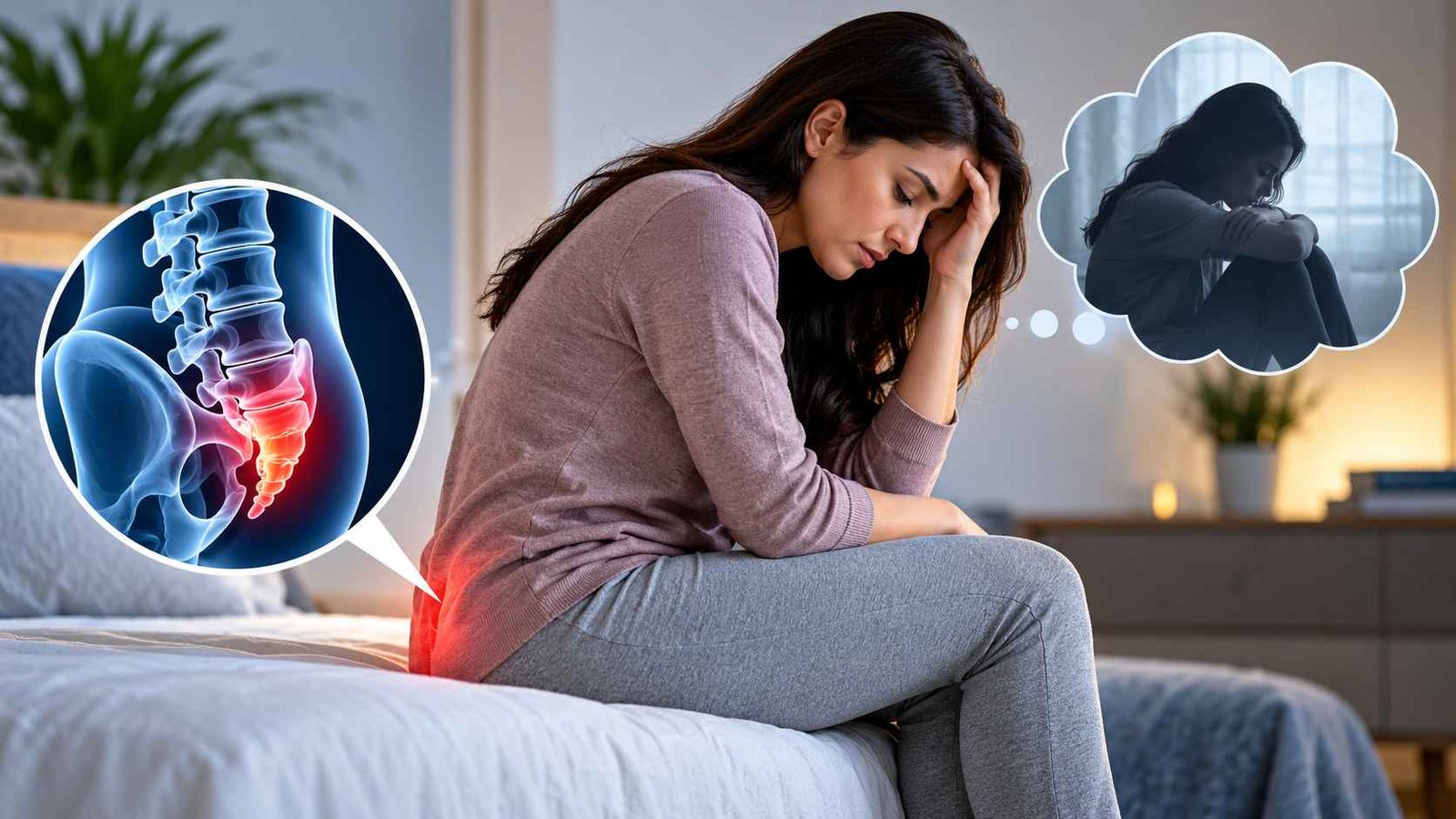
Living with persistent tailbone pain can affect more than physical comfort. When sitting, working, travelling, or spending time with family becomes painful, everyday life can gradually feel more difficult. For some people, long-term discomfort is also accompanied by frustration, anxiety, disturbed sleep, or low mood.
Depression due to coccyx pain is a concern often discussed by patients who experience ongoing coccydynia. Although tailbone pain does not automatically cause clinical depression, persistent pain can contribute to emotional distress and may be associated with depressive symptoms.
Understanding the relationship between chronic pain and mental health is important because physical discomfort and emotional well-being can influence each other. Recognizing both aspects can help people seek appropriate support without minimizing their symptoms.
In this article, we explain how chronic tailbone pain can affect mental health, which emotional symptoms deserve attention, and how a coordinated approach to care may support daily functioning and quality of life.
Table of Contents
-
What Is the Connection Between Coccydynia and Depression?
-
How Chronic Tailbone Pain Affects Emotional Well-Being
-
Why Persistent Coccyx Pain Can Become Emotionally Exhausting
-
Signs That Tailbone Pain May Be Affecting Your Mental Health
-
The Relationship Between Chronic Pain, Anxiety and Sleep
-
Emotional Challenges Experienced by Women With Coccydynia
-
How to Cope With the Emotional Impact of Tailbone Pain
-
When to Seek Professional Mental Health Support
-
Managing Physical Pain and Emotional Health Together
-
Frequently Asked Questions
-
Conclusion
What Is the Connection Between Coccydynia and Depression?
Coccydynia refers to pain in or around the coccyx, commonly known as the tailbone. People with this condition may experience discomfort while sitting, changing positions, or carrying out certain everyday activities.
When the pain continues over time, its effects can extend beyond the physical symptoms.
Persistent pain may interfere with sleep, work, relationships, social activities, and overall independence. These difficulties can contribute to stress, frustration, and changes in mood.
However, experiencing chronic coccyx pain does not mean someone will necessarily develop depression.
The relationship is complex. Biological, psychological, and social factors can influence both pain and emotional health.
According to the International Association for the Study of Pain, chronic pain generally refers to pain that persists or recurs for more than three months. Chronic pain conditions may involve emotional distress and interference with daily activities.
People seeking a broader explanation of coccyx symptoms and clinical care can read our guide to coccydynia and tailbone pain treatment.
How Depression Due to Coccyx Pain Affects Emotional Well-Being
Chronic tailbone pain can change how a person approaches everyday activities. Tasks that previously required little thought may begin to involve planning around discomfort.
These challenges can affect emotional well-being in several ways.
1. Frustration With Everyday Activities
Sitting at work, travelling in a vehicle, or attending social gatherings may become uncomfortable.
Repeatedly modifying activities because of pain can create frustration, especially when symptoms continue despite attempts at self-care.
2. Reduced Participation in Social Life
Some individuals avoid outings or family gatherings because they are concerned about prolonged sitting or pain flare-ups.
Over time, reduced participation may contribute to feelings of isolation.
3. Difficulty Concentrating at Work
Persistent discomfort can make it harder to focus on professional responsibilities.
Frequent position changes, disrupted sleep, and concerns about symptoms may affect productivity and confidence.
4. Uncertainty About Recovery
When symptoms continue without a clear explanation, people may worry about whether the pain will improve.
Uncertainty can increase emotional strain, particularly when different activities repeatedly trigger discomfort.
5. Changes in Confidence and Independence
Depending on symptom severity, some people may require help with activities they previously managed independently.
These changes can affect self-confidence and overall quality of life.
The emotional effects vary from person to person. Not everyone experiencing chronic pain develops significant psychological distress.
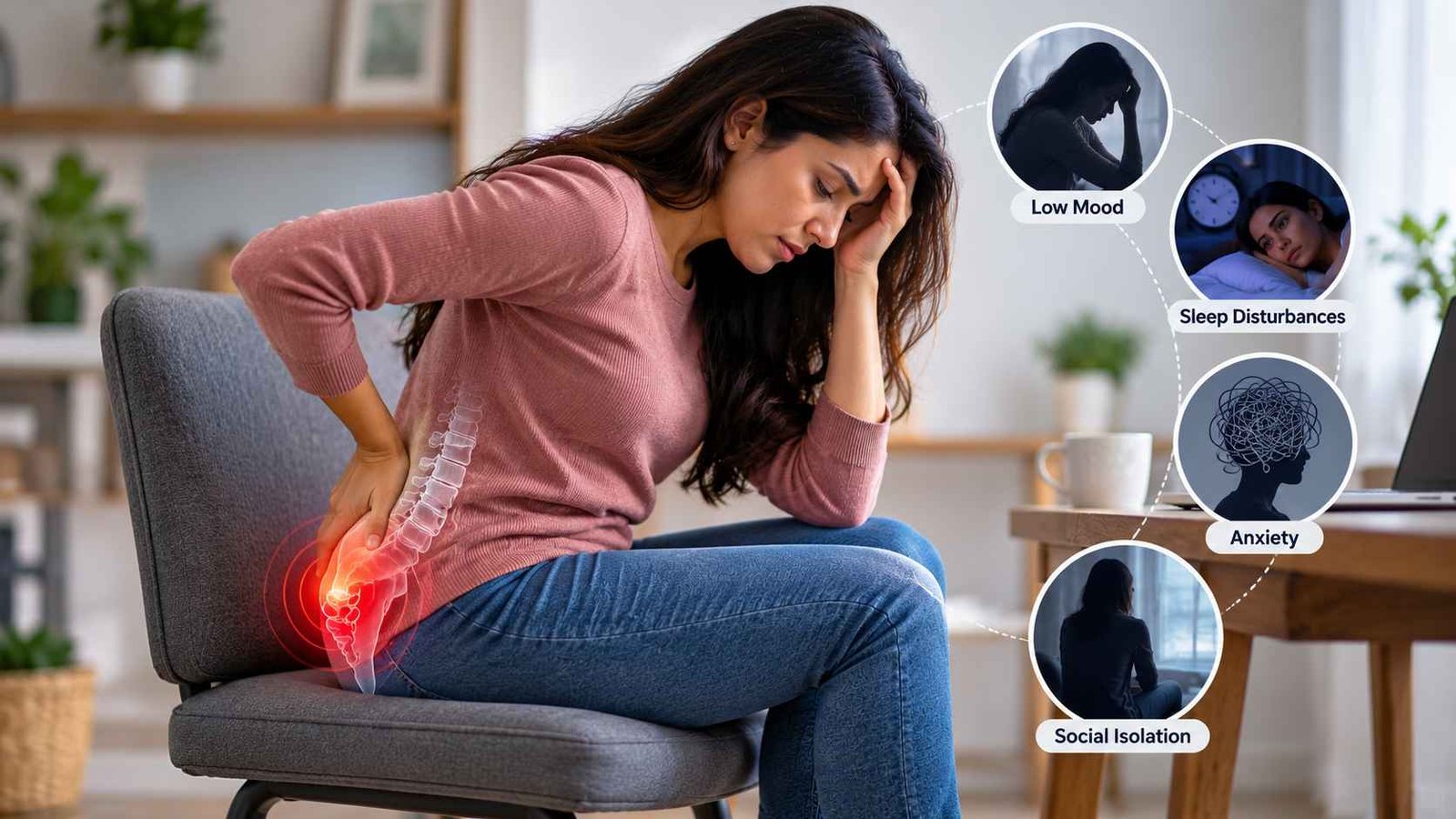
Why Persistent Coccyx Pain Can Become Emotionally Exhausting
One of the most difficult aspects of persistent coccyx pain is that the discomfort may not always be visible to other people.
Someone may appear physically well while experiencing substantial pain during sitting or movement.
This can make it difficult to explain the condition to friends, relatives, or colleagues.
Some people may also feel discouraged when:
-
Their symptoms are misunderstood or minimized.
-
They have difficulty finding comfortable sitting positions.
-
Pain interrupts work or daily responsibilities.
-
They are uncertain about the cause of their symptoms.
-
Improvement takes longer than expected.
-
They feel that others do not understand the impact of the condition.
These experiences can contribute to emotional fatigue, worry, or hopelessness.
Importantly, emotional distress does not mean the pain is imaginary or that the condition is purely psychological.
Physical symptoms deserve appropriate medical assessment, while emotional difficulties deserve equal consideration.
For patients struggling with persistent discomfort, our chronic pain management page provides information about the clinic’s related services.
Signs That Tailbone Pain May Be Affecting Your Mental Health
Experiencing occasional frustration or sadness because of pain is understandable.
However, persistent changes in mood, behaviour, sleep, or interest in everyday activities may indicate that additional support is needed.
Signs to pay attention to include:
-
Ongoing sadness, emptiness, or low mood.
-
Reduced interest in previously enjoyable activities.
-
Increased worry or anxiety about pain.
-
Difficulty concentrating.
-
Persistent irritability or emotional exhaustion.
-
Changes in sleeping or eating patterns.
-
Feelings of helplessness or hopelessness.
-
Withdrawal from family, friends, or social activities.
These symptoms do not automatically indicate clinical depression. A qualified healthcare or mental health professional can assess their severity, duration, and possible causes.
The World Health Organization’s guidance on depression explains that depression involves more than temporary sadness and can affect mood, interest, sleep, energy, and daily functioning.
If depressive symptoms persist for much of the day, nearly every day, for two weeks or longer, seeking professional assessment is advisable.
The Relationship Between Chronic Pain, Anxiety and Sleep
Persistent pain, anxious thoughts, and disrupted sleep can influence one another.
For example, discomfort while sitting may create worry about work or travel. Poor sleep may then make it more difficult to manage daily activities and cope with ongoing symptoms.
Pain and Anxiety
Some individuals become anxious about situations that previously triggered pain.
They may worry about long journeys, workplace seating, or the possibility of worsening symptoms.
Anxiety can increase attention to uncomfortable sensations, although this does not mean the underlying pain is not real.
Pain and Sleep Disturbances
Persistent discomfort may make it difficult to find a comfortable resting position.
Poor sleep can affect concentration, energy, and emotional resilience during the day.
Pain and Low Mood
When pain limits enjoyable activities, individuals may experience reduced motivation or social engagement.
Low mood can also make it more challenging to remain active and participate in rehabilitation.
Addressing these concerns alongside physical symptoms may support better everyday functioning.
Emotional Challenges Experienced by Women With Coccydynia
Women experiencing coccydynia may face particular challenges when discomfort affects sitting, work, household responsibilities, pregnancy-related recovery, or other aspects of daily life.
Some may feel uncomfortable discussing pain near the tailbone because of the location of the symptoms or concerns about being misunderstood.
However, tailbone pain is a legitimate medical concern and should not be dismissed.
Difficulty Discussing Symptoms
Pain around the lower spine or pelvic region may be difficult to describe openly.
Patients may delay sharing their concerns with family members or healthcare professionals.
Managing Daily Responsibilities
Persistent sitting discomfort can interfere with employment, family commitments, and activities that require prolonged periods in one position.
The resulting strain may affect emotional well-being.
Feeling Unsupported
When symptoms are not visible, others may underestimate their impact.
Clear communication and supportive relationships can make it easier to manage the challenges associated with persistent pain.
Although this article discusses women’s experiences, chronic coccyx pain can affect the emotional health of people of any gender.
How to Cope With the Emotional Impact of Tailbone Pain
Coping strategies cannot eliminate every cause of coccyx pain, but they may help reduce its impact on everyday life.
1. Talk About Your Symptoms
Discussing discomfort with trusted family members, friends, or healthcare professionals may reduce feelings of isolation.
Explain which activities increase pain and what kind of practical support would be helpful.
2. Maintain Comfortable Daily Movement
Depending on the underlying condition, gentle walking or appropriate physical activity may support mobility and general well-being.
Avoid forcing movements that worsen symptoms.
A qualified clinician can help determine suitable activities.
3. Take Regular Sitting Breaks
Prolonged sitting can aggravate coccyx discomfort.
When possible, alternate sitting with standing or comfortable movement and consider pressure-relieving seating adjustments.
4. Establish a Manageable Routine
Try to maintain consistent daily habits, including appropriate rest, enjoyable activities, and regular meals.
Setting small, achievable goals can help make daily responsibilities feel more manageable.
5. Seek Psychological Support When Needed
Talking therapies such as cognitive behavioural therapy may help some people manage the emotional and behavioural effects of long-term pain.
The NHS guidance on getting help for persistent pain discusses multidisciplinary pain care, self-management, psychological support, and rehabilitation.
Psychological support does not replace assessment or treatment of physical symptoms. Both can be important parts of an individualized care plan.
When to Seek Professional Mental Health Support
Consider consulting a mental health professional if ongoing tailbone pain is accompanied by:
-
Persistent sadness or hopelessness.
-
Loss of interest in everyday activities.
-
Significant anxiety or emotional distress.
-
Continued sleep difficulties affecting daily functioning.
-
Withdrawal from relationships or social activities.
-
Difficulty managing work, personal responsibilities, or self-care.
A psychologist, psychiatrist, or another appropriately qualified mental health professional can assess these symptoms and recommend suitable support.
Important: If you are experiencing thoughts of suicide or self-harm, seek immediate help from emergency services or a qualified healthcare professional. If possible, tell someone you trust and avoid remaining alone when you feel at immediate risk.
Emotional distress related to pain deserves timely care and should never be dismissed.
Managing Physical Pain and Emotional Health Together
A coordinated approach to persistent coccyx pain considers how symptoms affect physical activity, emotional well-being, work, sleep, and daily functioning.
Depending on individual needs, management may involve:
-
Clinical assessment of the coccyx and surrounding musculoskeletal structures.
-
Appropriate physiotherapy and rehabilitation.
-
Sitting and activity modifications.
-
Education about persistent pain and symptom management.
-
Psychological assessment or therapy when indicated.
-
Follow-up to review symptoms and functional progress.
Not every patient requires every intervention.
The most suitable approach depends on the underlying cause of pain, individual symptoms, medical history, and personal circumstances.
When further physical evaluation is appropriate, patients can explore our diagnostic services for information about the clinic’s assessment services.
Managing depression and treating coccyx pain are related but distinct clinical responsibilities. Improvement in one area does not guarantee complete resolution of the other.
Frequently Asked Questions
Can Coccydynia Cause Depression?
Persistent coccyx pain may contribute to emotional distress and can be associated with depressive symptoms, but it does not cause depression in every patient. Depression has multiple possible contributing factors and requires appropriate clinical assessment.
Why Does Chronic Tailbone Pain Affect Mental Health?
Long-term discomfort can interfere with sleep, concentration, employment, relationships, and social activities. These disruptions may increase stress, anxiety, frustration, or low mood.
Can Depression Make Tailbone Pain Feel Worse?
Mood, stress, sleep, and pain processing can interact. Some people notice that emotional distress influences how they experience and cope with pain. This does not mean their physical symptoms are imaginary.
Is Anxiety Common in People With Persistent Coccyx Pain?
Some individuals develop anxiety about activities that aggravate pain, such as sitting, travelling, or working. Persistent anxiety that affects daily functioning should be discussed with a qualified healthcare professional.
Can Physiotherapy Help With the Emotional Effects of Tailbone Pain?
Physiotherapy may help address physical limitations and improve confidence in movement when appropriate. However, it is not a substitute for professional mental health treatment when depression or significant anxiety is present.
When Should I Seek Help for Depression Related to Chronic Pain?
Seek professional support if low mood, hopelessness, anxiety, or loss of interest in activities continues or affects everyday functioning. Thoughts of self-harm or suicide require urgent assistance.
Conclusion
Depression due to coccyx pain highlights an important aspect of living with persistent physical discomfort: chronic pain can affect emotional well-being as well as movement and daily activities.
The relationship between coccydynia and depression is not straightforward. However, ongoing discomfort, disrupted sleep, reduced social participation, and uncertainty about recovery can contribute to psychological distress.
Recognizing these difficulties and seeking appropriate support can help individuals address both physical symptoms and emotional needs.
If persistent tailbone pain is affecting your daily life, contact Tailbone Pain Treatment Clinic to discuss an appropriate physical assessment.
For depression, significant anxiety, or other mental health concerns, seek care from a qualified mental health professional.
Medical Disclaimer: This article is intended for general educational purposes. It does not replace medical diagnosis, treatment, or professional mental health care.