Postpartum tailbone pain relief is a major concern for many new mothers, yet it is often under-discussed and misunderstood. After childbirth, especially following prolonged labor, assisted delivery, or a C-section, pain around the tailbone can make simple daily activities such as sitting, feeding the baby, driving, or even resting extremely uncomfortable. While some discomfort may feel “normal” after delivery, persistent coccyx pain is not something that should be ignored.
Postpartum tailbone pain, medically known as postpartum coccydynia, usually develops due to stress, pressure, or misalignment of the coccyx during pregnancy and delivery. The good news is that with the right understanding, targeted exercises, and evidence-based non-surgical treatment, most women can recover fully and regain comfort in daily life. Specialized care through postnatal coccydynia treatment programs focuses on identifying the root cause rather than simply masking pain.
This comprehensive guide explains why postpartum tailbone pain occurs, what exercises and remedies help, how pelvic floor therapy supports recovery, and when medical evaluation becomes necessary.
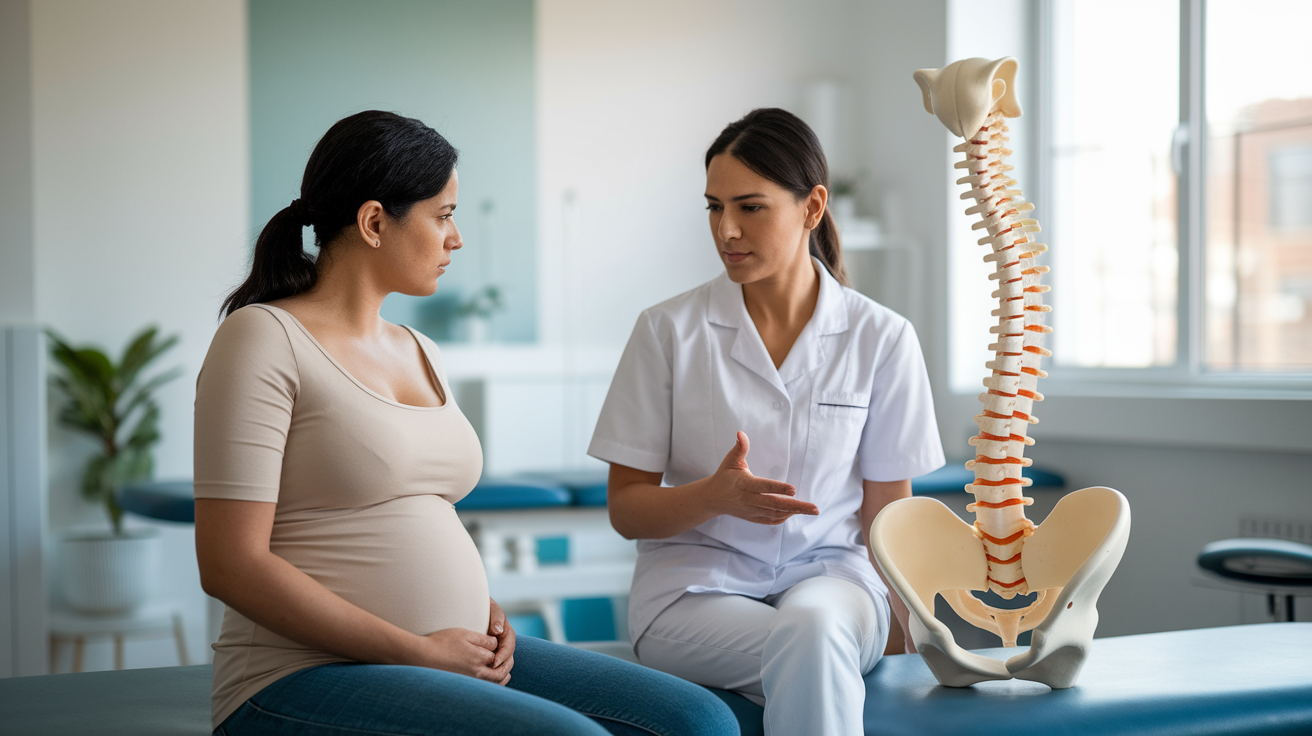
What Causes Postpartum Tailbone Pain After Delivery?
Postpartum tailbone pain usually results from a combination of mechanical stress, hormonal changes, and muscular imbalance that occur during pregnancy and childbirth.
1. Pressure During Vaginal Delivery
During labor, the baby’s head passes close to the coccyx. Prolonged pushing or assisted delivery can push the tailbone backward, leading to inflammation or misalignment.
2. C-Section and Prolonged Sitting
Even after a cesarean section, prolonged sitting during recovery and altered posture can strain the coccyx, causing pain.
3. Hormonal Changes
Pregnancy hormones such as relaxin loosen ligaments around the pelvis. While necessary for delivery, this increased laxity can reduce pelvic stability and place extra stress on the tailbone.
4. Pelvic Floor Weakness
Weakened pelvic floor muscles after delivery reduce support to the coccyx, increasing pain while sitting or changing positions.
5. Poor Posture While Feeding
New mothers often sit for long periods while breastfeeding or bottle-feeding, frequently in unsupported or slouched positions.
When these factors combine, tailbone pain can persist beyond the immediate postpartum period if not properly addressed.
For a detailed overview of childbirth-related causes, symptoms, and warning signs, read our guide on tailbone pain after delivery.
Postpartum Tailbone Pain Exercises You Can Do at Home
Gentle, guided exercises play a crucial role in postpartum tailbone pain relief. These exercises focus on restoring pelvic stability, improving posture, and reducing pressure on the coccyx.
1. Pelvic Tilts
Pelvic tilts help mobilize the lower spine and improve pelvic control without stressing the tailbone.
2. Deep Breathing with Pelvic Engagement
Controlled breathing activates the pelvic floor and core muscles, improving support around the coccyx.
3. Gentle Hip Stretches
Tight hip muscles can pull on pelvic structures. Gentle stretching reduces strain on the tailbone.
4. Core Activation Exercises
Safe postpartum core exercises help stabilize the spine and pelvis, reducing pain during sitting.
5. Postural Awareness Drills
Learning to maintain neutral spine posture while sitting and standing significantly reduces coccyx stress.
These exercises should be performed gradually and correctly. In some cases, professional guidance is required to avoid aggravating symptoms.
Best Cushions and Remedies for Coccyx Pain Relief
While cushions and home remedies do not replace treatment, they can significantly support postpartum recovery when used correctly.
Coccyx Cut-Out Cushions
These cushions reduce direct pressure on the tailbone while sitting, especially during feeding or long sitting periods.
Heat Therapy
Applying gentle heat improves blood flow and reduces muscle tension around the coccyx.
Cold Therapy (Short-Term)
Cold packs may help reduce inflammation during the early postpartum phase.
Frequent Position Changes
Avoid sitting continuously for long periods. Standing or walking briefly every 30–45 minutes helps prevent stiffness.
These supportive measures are most effective when combined with targeted rehabilitation rather than used alone.
Pelvic Floor Therapy for Postpartum Coccydynia
Pelvic floor therapy is one of the most effective evidence-based approaches for postpartum tailbone pain relief. The pelvic floor muscles play a key role in stabilizing the pelvis and supporting the coccyx.
Pelvic floor therapy focuses on:
- Restoring muscle strength and coordination
- Improving pelvic alignment
- Reducing muscle tension and guarding
- Enhancing posture and movement patterns
In many cases, postpartum tailbone pain is linked with broader pelvic instability. Structured rehabilitation through pelvic girdle dysfunction treatment helps address these underlying issues and prevent recurrence.

When to Seek Medical Help for Tailbone Pain
While mild discomfort can improve with rest and home care, medical evaluation is necessary if pain persists or worsens.
Seek professional help if:
- Pain lasts longer than 3–4 weeks after delivery
- Sitting becomes increasingly painful
- Pain radiates to the lower back or hips
- Daily activities or baby care are affected
- Home remedies do not provide relief
Comprehensive evaluation through advanced tailbone pain diagnostic services helps identify coccyx misalignment, instability, or associated pelvic conditions that require targeted care.
How Long Does Postpartum Tailbone Pain Last?
Recovery time varies depending on the severity of the condition and how early treatment begins.
- Mild cases may resolve within a few weeks
- Moderate cases may take several weeks with guided therapy
- Chronic or untreated cases may persist for months
Research from the National Institutes of Health (NIH) indicates that early conservative intervention significantly shortens recovery time for postpartum musculoskeletal pain.
https://www.nih.gov
Timely care reduces the risk of pain becoming chronic and improves overall postpartum recovery.
The Importance of Non-Surgical Treatment
Surgery is rarely required for postpartum tailbone pain. Most women recover fully through non-invasive approaches that focus on alignment, muscle balance, and posture correction.
In India, rehabilitation-based care is supported by the Indian Council of Medical Research (ICMR) for managing postpartum musculoskeletal conditions.
Non-surgical treatment offers:
- Safe postpartum recovery
- No hospital admission
- Personalized care
- Long-term relief
Frequently Asked Questions
How Long Does Postpartum Tailbone Pain Last After Delivery?
Most women experience improvement within weeks. Persistent pain beyond a month requires professional evaluation.
Does an Epidural Cause Postpartum Tailbone Pain?
Epidurals do not directly cause coccyx pain, but prolonged labor and positioning during delivery may contribute.
What’s the Best Cushion for Postpartum Tailbone Pain Relief?
A coccyx cut-out cushion that reduces direct pressure on the tailbone is most effective.
What Exercises Help Relieve Postpartum Tailbone Pain?
Pelvic tilts, gentle core activation, breathing exercises, and posture correction exercises help relieve pain safely.
When Should I See a Doctor for Postpartum Tailbone Pain?
If pain persists beyond a few weeks, interferes with daily life, or worsens over time, medical consultation is recommended.