Tailbone Pain After Delivery: Causes, Symptoms & Treatment
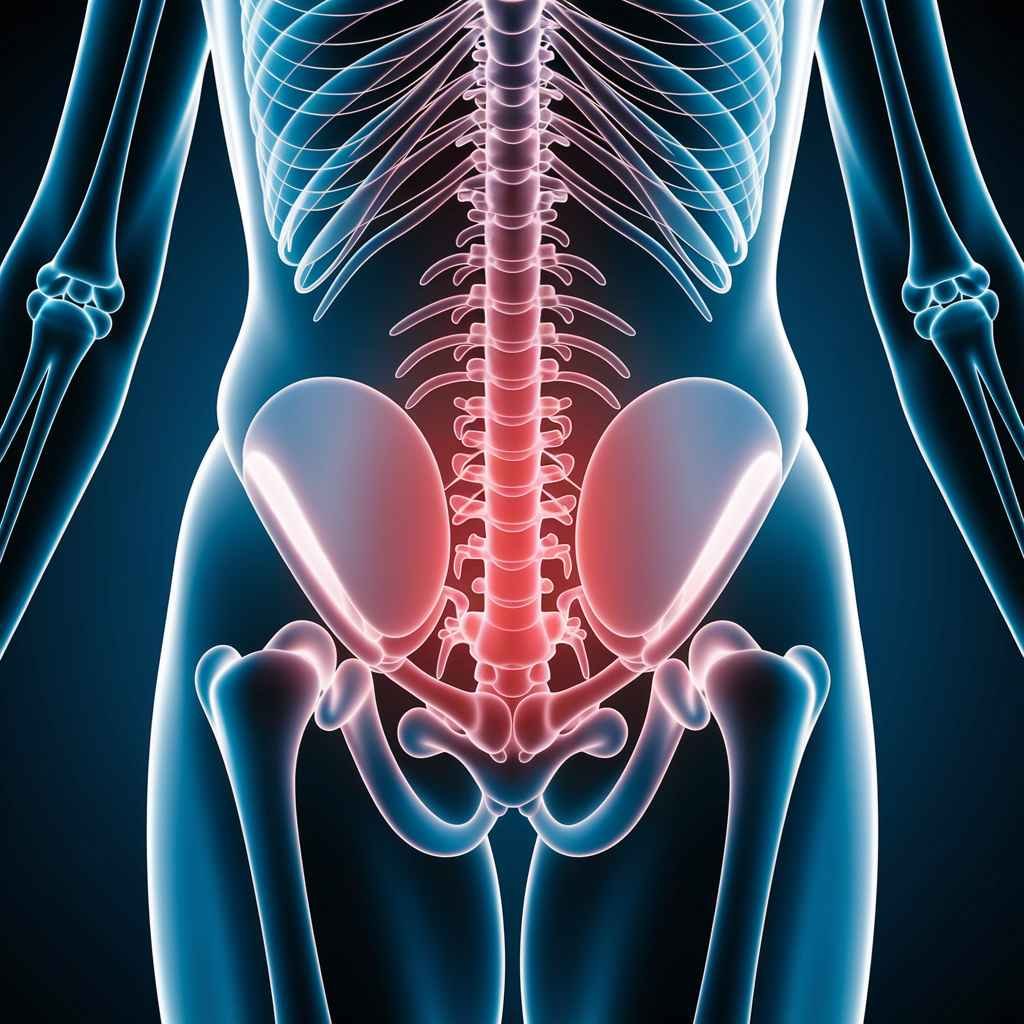
Tailbone pain after delivery is a condition that affects many women during the postpartum period but often goes undiagnosed or untreated. Medically referred to as coccydynia, this pain occurs in the coccyx area, located at the very base of the spine. While mild discomfort may resolve on its own, persistent tailbone pain after delivery can interfere with daily activities such as sitting, feeding the baby, sleeping, or returning to routine work. Understanding the reasons behind this pain and choosing the right treatment approach is essential for long-term recovery.
What Is Tailbone Pain After Delivery?
Tailbone pain after delivery develops when the coccyx undergoes excessive stress during childbirth. Vaginal delivery, prolonged labor, or difficult birthing positions can place pressure on the tailbone, causing inflammation, misalignment, or soft tissue injury. In many cases, women notice the pain only weeks later, when regular sitting or movement becomes uncomfortable. If ignored, postnatal coccydynia can turn into a chronic condition.
Common Causes of Tailbone Pain After Childbirth
Several physical and hormonal factors contribute to tailbone pain after childbirth:
- Excessive pressure on the coccyx during labor
- Hormonal changes leading to ligament laxity
- Pelvic floor muscle weakness or imbalance
- Poor sitting posture during breastfeeding or recovery
- Repeated strain from daily activities
These factors often combine, which is why simple rest alone may not resolve the pain. Women who experience assisted delivery or long labor are more prone to developing postnatal coccydynia.
Symptoms That Should Not Be Ignored
Symptoms of tailbone pain after delivery vary in intensity but commonly include:
- Sharp or dull pain while sitting
- Increased discomfort when standing up from a seated position
- Pain during bowel movements
- Localized tenderness near the tailbone
- Pain that worsens with prolonged sitting
If these symptoms persist beyond a few weeks, seeking proper tailbone pain after delivery treatment is strongly recommended.
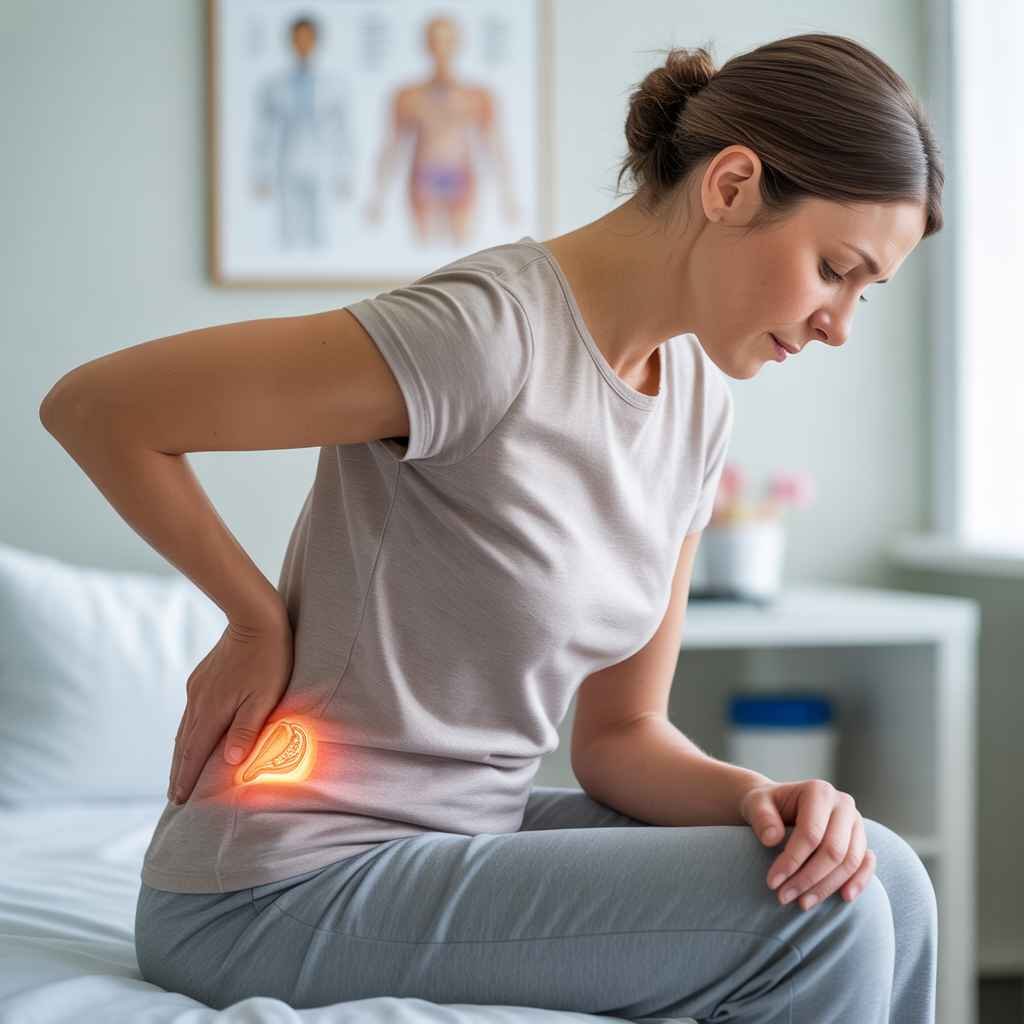
Why Tailbone Pain Lasts for Months After Delivery
Many women wonder why tailbone pain lasts for months after delivery, even when the childbirth process is over. The primary reason is that the pelvic structures take time to heal, especially if the tailbone has shifted or surrounding muscles remain tight. Without targeted therapy, inflammation can continue, and compensatory movement patterns may develop, prolonging recovery. Early intervention plays a key role in preventing long-term pain.
Effective Non-Surgical Treatment Options
The most effective approach for managing this condition is non surgical tailbone pain treatment. Surgery is rarely required and is considered only when conservative methods fail. Non-surgical treatment focuses on correcting the underlying cause rather than just relieving symptoms.
Common treatment approaches include:
- Specialized physiotherapy
- Pelvic floor rehabilitation
- Manual therapy for coccyx alignment
- Postural correction techniques
- Guided therapeutic exercises
These methods reduce inflammation, restore proper movement, and promote natural healing of the tailbone region.
Role of Physiotherapy in Postnatal Coccydynia Treatment
Physiotherapy is a cornerstone of postnatal coccydynia treatment. A trained specialist evaluates pelvic alignment, muscle strength, and posture. Customized therapy plans address muscle imbalances and joint dysfunctions that contribute to tailbone pain after delivery. With consistent therapy, most women experience significant pain reduction and improved mobility.
Importance of Timely Tailbone Pain After Delivery Treatment
Delaying treatment often leads to chronic pain and prolonged discomfort. Early tailbone pain after delivery treatment helps restore normal pelvic function and prevents compensatory strain on the lower back and hips. Women who seek treatment early typically recover faster and avoid recurrence.
Home Care Tips to Support Recovery
Alongside clinical care, certain home measures can aid recovery:
- Avoid sitting for long periods
- Use a coccyx or donut cushion
- Maintain proper sitting posture
- Perform prescribed exercises regularly
- Avoid self-medication without professional guidance
These steps complement professional care and enhance the effectiveness of non surgical tailbone pain treatment.
Conclusion
Tailbone pain after delivery is a treatable condition and should not be considered a normal part of postpartum life. With the right diagnosis and structured non-surgical approach, women can recover fully and regain comfort in daily activities. Addressing the condition early ensures better postpartum health, improved mobility, and long-term relief from pain.