Coccydynia Causes and Symptoms: Understanding Tailbone Pain
Coccydynia is a condition that causes pain and discomfort around the coccyx, or tailbone, at the bottom of the spine. The pain may become more noticeable while sitting, getting up from a seated position, or putting pressure on the tailbone area.
Understanding coccydynia causes and symptoms can help you recognize the problem and determine when persistent tailbone pain may need professional assessment.
In this guide, we explain what coccydynia is, what causes it, its common symptoms, and the treatment approaches that may be considered.
What Is Coccydynia?
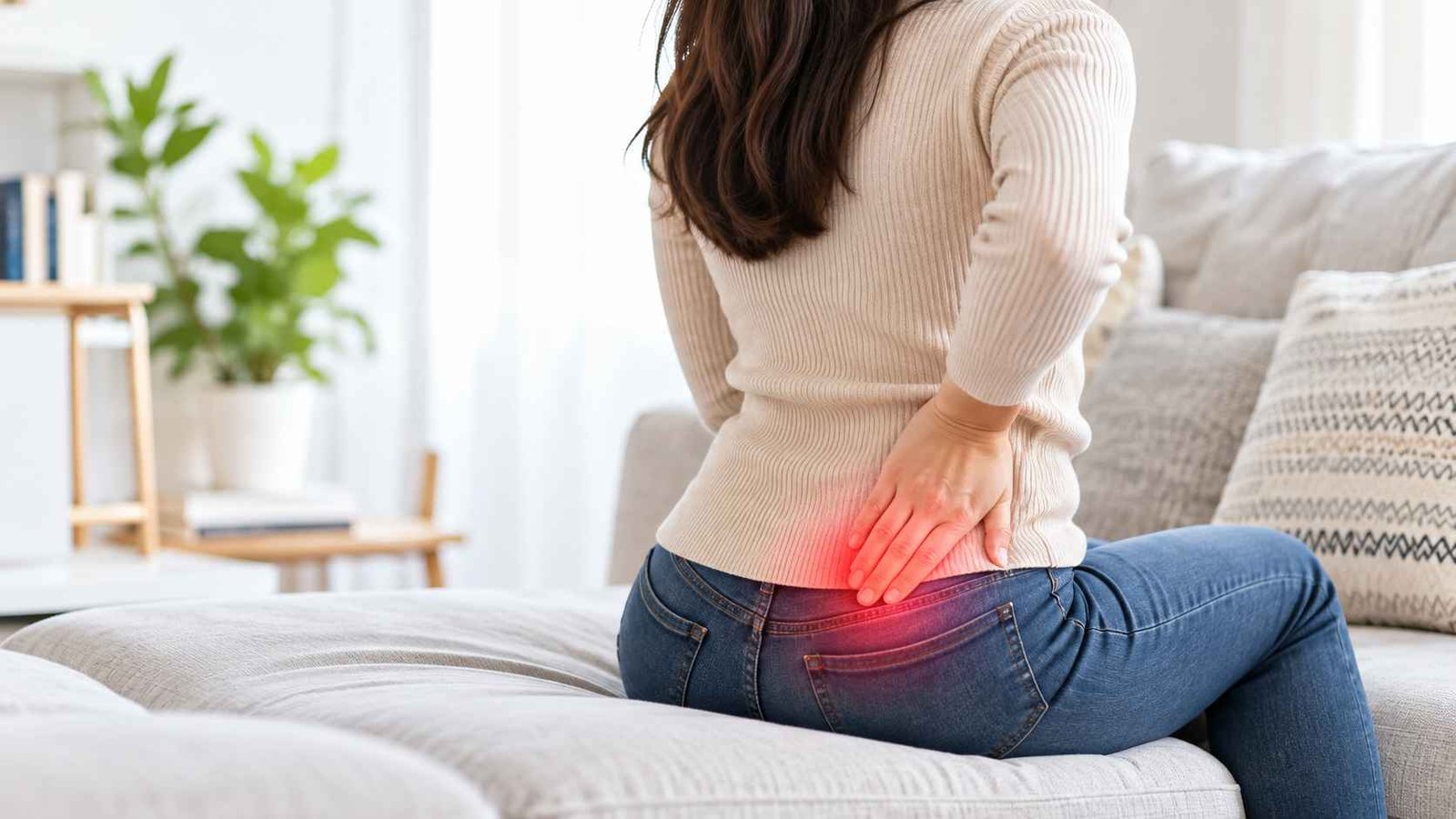
coccydynia (tailbone pain) is the medical term for pain in or around the coccyx, commonly known as the tailbone.
The coccyx is a small triangular structure located at the bottom of the spine. Pain in this area can make everyday activities such as sitting or moving from sitting to standing uncomfortable.
Coccydynia may develop after an identifiable injury or strain, while in some cases the cause may not be immediately obvious.
What Causes Coccydynia?
There are several possible causes of coccydynia. The exact reason for tailbone pain can vary from person to person, which is why identifying the circumstances surrounding the pain is important.
1. Trauma or Injury
A direct impact on the tailbone is one of the possible causes of coccydynia. This can occur after a fall, accident, or repetitive strain from activities such as cycling.
For tailbone pain specifically associated with an injury or sporting activity, read our guide to Sports-Related Tailbone Injury Treatment.
2. Childbirth
Childbirth can place considerable pressure on the coccyx during labour and delivery. Some women may consequently experience tailbone pain after childbirth.
If your symptoms started following delivery, see our dedicated guide on Tailbone Pain After Delivery rather than treating this general article as the main resource for postpartum tailbone pain.
3. Prolonged Sitting
Sitting for extended periods, particularly when the tailbone is under continuous pressure, can irritate the area and make existing coccyx discomfort more noticeable.
We cover this specific problem separately in our guide to Tailbone Pain When Sitting for Long Hours, so this article remains focused on the broader causes and symptoms of coccydynia.
4. Degenerative Joint Changes
Changes affecting the joints and surrounding structures near the coccyx may also contribute to pain and discomfort in some people.
5. Other Causes
In rare cases, infections or tumors affecting the tailbone region may be associated with pain. Persistent, unexplained, or worsening symptoms should therefore be appropriately assessed rather than self-diagnosed.
What Are the Symptoms of Coccydynia?
The most recognizable coccydynia symptom is pain around the tailbone at the base of the spine.
The pain may feel sharp or aching and can become more noticeable when pressure is placed on the coccyx.
Other coccydynia symptoms can include:
- Tenderness around the tailbone
- Pain or discomfort while sitting
- Increased discomfort when moving from sitting to standing
- Difficulty sitting comfortably for extended periods
- Discomfort during bowel movements
- Pain or discomfort extending into nearby areas
Symptoms can vary depending on the underlying cause and activities that place pressure on the coccyx.
When Should Tailbone Pain Be Assessed?
Occasional discomfort may improve, but persistent or recurring tailbone pain deserves attention, particularly when it begins to interfere with sitting and normal daily activities.
An assessment can help determine what may be contributing to the symptoms and whether further diagnostic evaluation is appropriate.
For tailbone pain that develops without a fall or obvious injury, our separate guide explains What Causes Tailbone Pain Without Injury in greater detail.
How Is Coccydynia Evaluated?
Evaluation begins by understanding the symptoms, how they started, and which movements or positions make the pain worse.
Depending on the individual situation, further diagnostic assessment may be considered. Diagnostic tools mentioned in our clinical approach include dynamic tailbone X-rays, CT scans, and MRI when appropriate.
The purpose of assessment is to better understand the source of the symptoms before deciding on an appropriate management approach.
Treatment Options for Coccydynia
Treatment depends on the cause, severity, and individual presentation of tailbone pain.
Non-surgical approaches may include rehabilitation, modifications to activities that aggravate symptoms, and strategies designed to reduce pressure around the coccyx.
Internal Coccyx Manipulation
Internal coccyx manipulation is a specialized manual approach used in selected cases as part of coccydynia management.
Rehabilitation Therapy
Individualized rehabilitation may focus on movement, posture, and exercises appropriate to the patient’s presentation.
Tailbone Cushions
Specialized cushions may help reduce direct pressure on the coccyx while sitting.
Pain Management and Physical Therapy
Physical therapy and pain-management strategies may be incorporated according to the individual’s symptoms and assessment findings.
For detailed information specifically about treatment rather than causes and symptoms, visit our dedicated Coccydynia Tailbone Pain Treatment page.
Coccydynia Causes and Symptoms: Key Takeaway
Coccydynia is pain affecting the coccyx or surrounding tailbone area. Coccydynia causes can range from direct trauma and childbirth to prolonged pressure and degenerative changes, while symptoms commonly involve localized pain, tenderness, and difficulty sitting comfortably.
Because different causes can produce similar symptoms, persistent tailbone pain should be evaluated according to the individual’s history and presentation.
If tailbone pain is interfering with your daily activities, you can book an appointment for an assessment at our clinic.
Frequently Asked Questions About Coccydynia
What causes coccydynia?
Coccydynia can develop for several reasons, including trauma to the tailbone, childbirth, prolonged pressure while sitting, repetitive strain, and degenerative changes around the coccyx. The cause can vary between individuals.
What are the common symptoms of coccydynia?
Common coccydynia symptoms include pain or tenderness around the tailbone, discomfort while sitting, pain when moving from sitting to standing, and difficulty remaining seated for extended periods.
Can coccydynia occur without an injury?
Yes. Tailbone pain does not always follow an obvious fall or accident. When there is no clear injury, assessment can help identify other factors that may be contributing to the symptoms.
Can prolonged sitting contribute to coccydynia?
Prolonged sitting can place continued pressure on the coccyx and may contribute to or aggravate tailbone discomfort, particularly when symptoms are already present.
How is the cause of coccydynia identified?
The evaluation generally considers how the pain started, its location, movements or positions that aggravate it, and other relevant symptoms. Further diagnostic assessment may be considered depending on the individual case.
Can coccydynia be treated without surgery?
Non-surgical management may be appropriate in many cases and can include rehabilitation, pressure-reducing strategies, physical therapy, and other approaches based on the assessment and underlying cause.coccydynia (tailbone pain)