Tailbone Surgery (Coccygectomy): When Is It Needed?
Persistent tailbone pain can make everyday activities such as sitting, driving, working, and sleeping uncomfortable. While most cases improve with appropriate non-surgical treatment, some people continue to experience severe or persistent discomfort despite conservative care.
In selected cases, a specialist may consider tailbone surgery, medically known as coccygectomy. This procedure involves removing part or all of the coccyx to address persistent pain originating from the tailbone.
However, surgery is not the first treatment option for coccydynia, and it is not suitable for everyone.
This guide explains when tailbone surgery may be considered, how coccygectomy is performed, its potential benefits and complications, and what patients can expect during recovery.
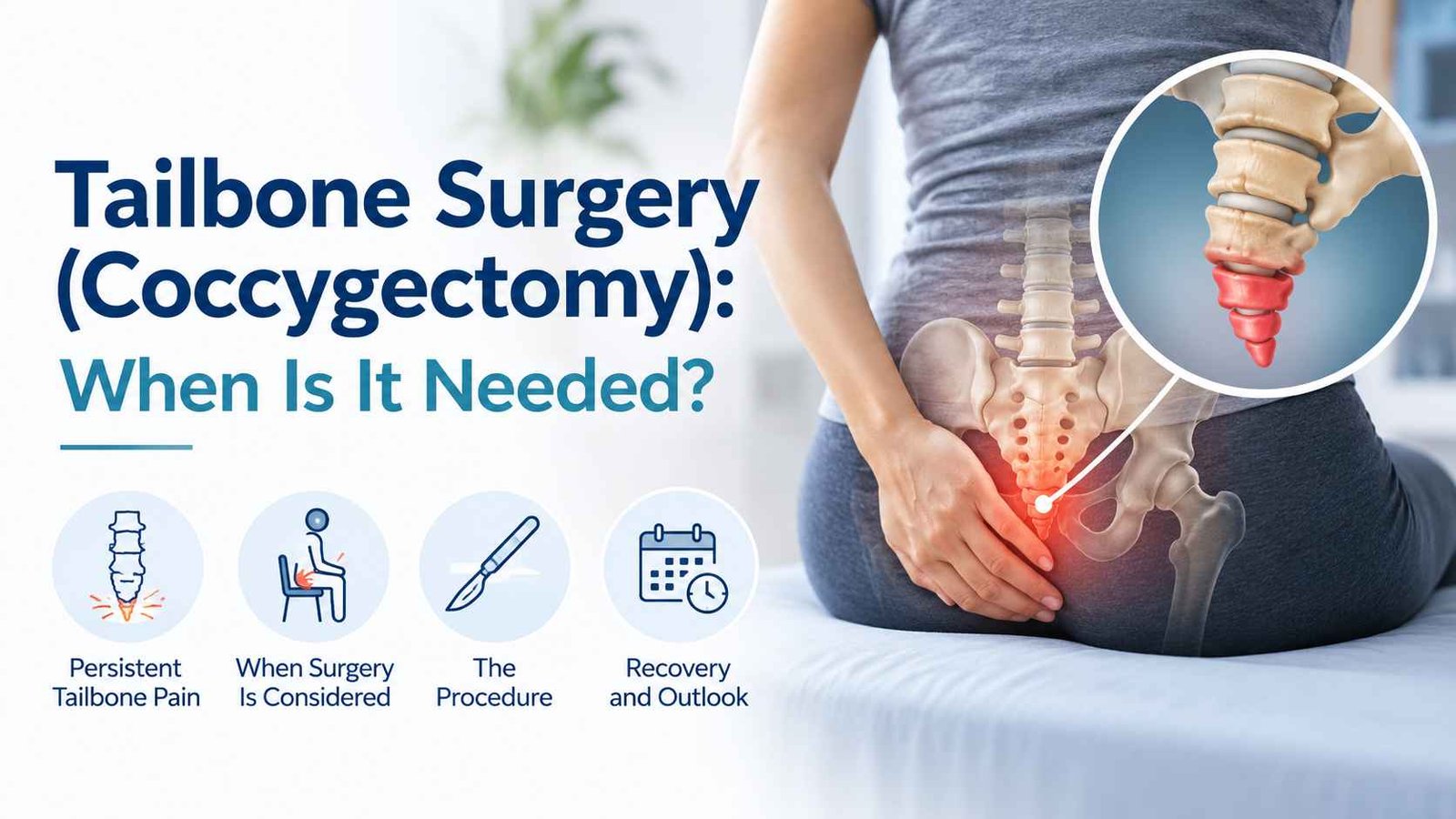
Table of Contents
- What Is Tailbone Surgery (Coccygectomy)?
- When Is Tailbone Surgery Considered?
- Who May Be a Candidate for Coccygectomy?
- How Is Tailbone Removal Surgery Performed?
- Partial vs. Complete Coccygectomy
- Benefits and Expected Outcomes
- Coccygectomy Risks and Side Effects
- Tailbone Surgery Recovery Time
- What Happens During Recovery?
- Questions to Ask Before Considering Surgery
- Frequently Asked Questions
What Is Tailbone Surgery (Coccygectomy)?
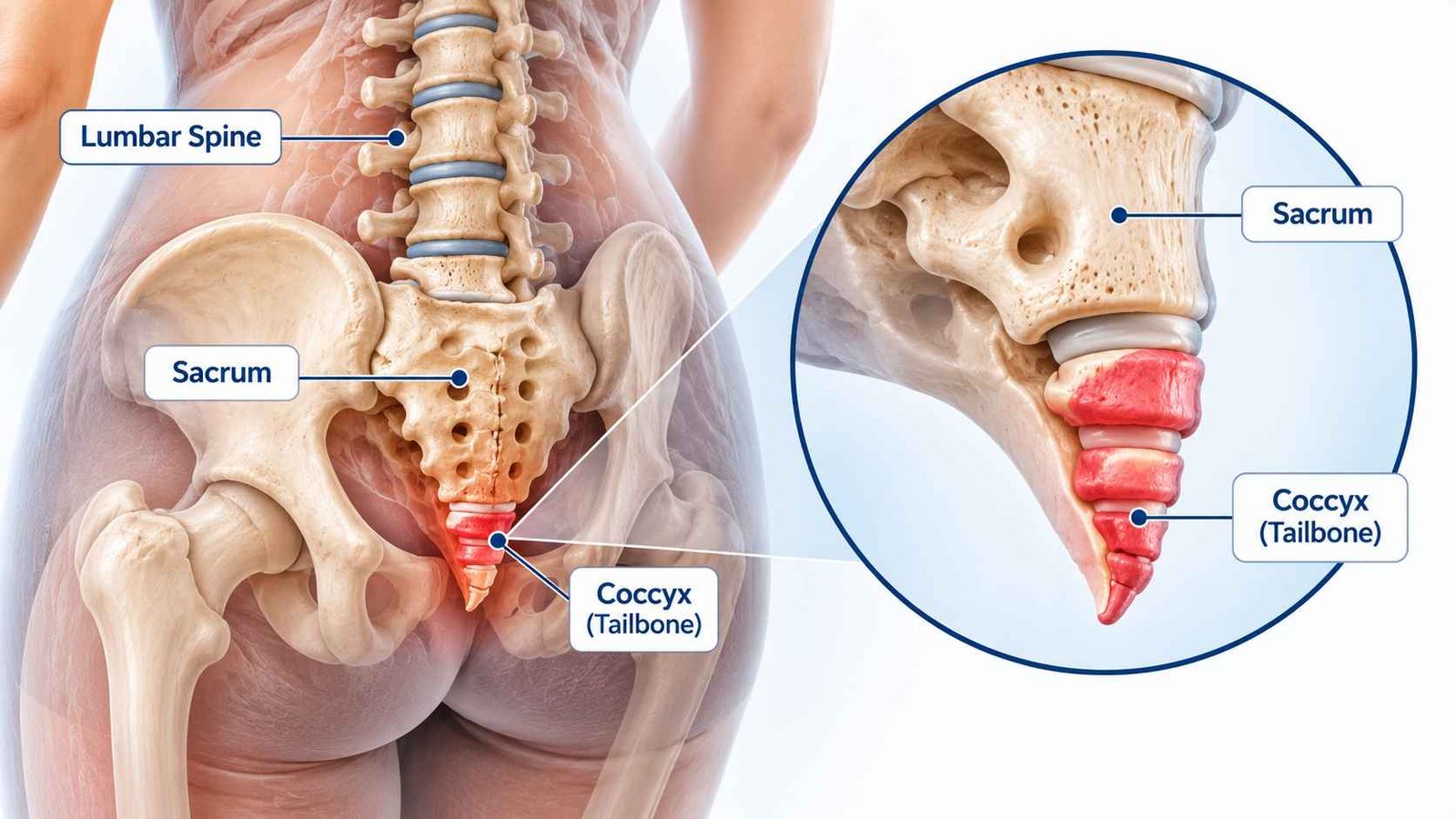
Tailbone surgery, also called coccygectomy, is a surgical procedure involving the removal of part or all of the coccyx.
The coccyx is a small bone located at the bottom of the spine, below the sacrum. It provides attachment points for several muscles, ligaments, and structures associated with the pelvic floor.
Pain in this region is commonly referred to as coccydynia.
Coccygectomy is generally considered only when appropriate non-surgical treatments have failed to provide adequate relief and specialist evaluation suggests that the coccyx is responsible for the patient’s symptoms.
Most people with tailbone pain do not require surgery.
For a broader understanding of treatment options, explore our guide to coccydynia and tailbone pain treatment.
When Is Tailbone Surgery Considered?
Tailbone surgery may be considered when persistent coccyx pain significantly affects daily activities and has not improved adequately with appropriate conservative treatment.
The decision depends on the patient’s medical history, symptoms, examination findings, imaging results, and response to previous treatments.
Persistent Tailbone Pain Despite Treatment
Some patients experience long-standing coccyx pain that continues despite appropriate non-surgical management.
When pain substantially interferes with sitting, working, or other routine activities, a specialist may assess whether surgery could be beneficial.
However, persistent pain alone does not mean that surgery is necessary.
Abnormal Coccyx Movement or Instability
In some patients, excessive movement or instability of the coccyx may contribute to persistent pain.
A specialist may use clinical examination and appropriate imaging to evaluate whether abnormal coccygeal movement is associated with the symptoms.
Persistent Pain After a Tailbone Injury
A fall or direct injury can sometimes cause prolonged coccyx discomfort.
Although most injuries improve without surgery, selected patients with persistent symptoms may require further evaluation.
A previous fracture does not automatically make someone a candidate for coccygectomy.
Learn more in our article about fractured tailbone symptoms, treatment, and recovery.
Significant Limitations in Daily Activities
Persistent tailbone pain may interfere with prolonged sitting, driving, employment, and quality of life.
When these limitations remain substantial despite appropriate treatment, specialist assessment may help determine whether additional interventions are suitable.
Who May Be a Candidate for Coccygectomy?
Not everyone experiencing chronic tailbone pain is a suitable candidate for surgery.
A specialist may consider coccygectomy when:
- Pain is persistently localized to the coccyx.
- Appropriate conservative treatments have not provided sufficient relief.
- Symptoms significantly interfere with daily activities.
- Clinical examination supports the coccyx as the likely source of pain.
- Relevant imaging findings support the diagnosis, when applicable.
- Other possible causes of pain have been considered.
Why Accurate Diagnosis Is Important
Pain around the tailbone does not always originate from the coccyx itself.
Conditions involving the lower back, pelvic floor, sacroiliac region, or surrounding tissues may produce similar symptoms.
Removing the coccyx may not resolve pain caused by another condition.
Therefore, an accurate diagnosis is essential before considering surgery.
Our diagnostic services page provides further information about the evaluation of tailbone-related symptoms.
How Is Tailbone Removal Surgery Performed?
Tailbone removal surgery is performed by an appropriately trained surgeon, usually under general anesthesia.
The exact procedure depends on the patient’s anatomy, clinical findings, and the surgeon’s technique.
Preoperative Evaluation
Before surgery, the medical team reviews the patient’s symptoms, medical history, examination findings, and relevant imaging.
The surgeon explains the proposed operation, possible benefits, complications, and available alternatives.
Anesthesia and Positioning
The patient receives anesthesia and is positioned to provide access to the coccyx.
The surgical area is prepared using appropriate infection-prevention measures.
Accessing the Coccyx
The surgeon makes an incision over the coccygeal region and carefully exposes the bone while protecting surrounding structures.
Removing the Coccyx
Depending on the surgical plan, the surgeon removes part or all of the coccyx.
Closing the Surgical Wound
After removal, the surgeon closes the incision and applies a dressing.
The patient receives postoperative instructions concerning wound care, pain management, activity, and follow-up.
Partial vs. Complete Coccygectomy
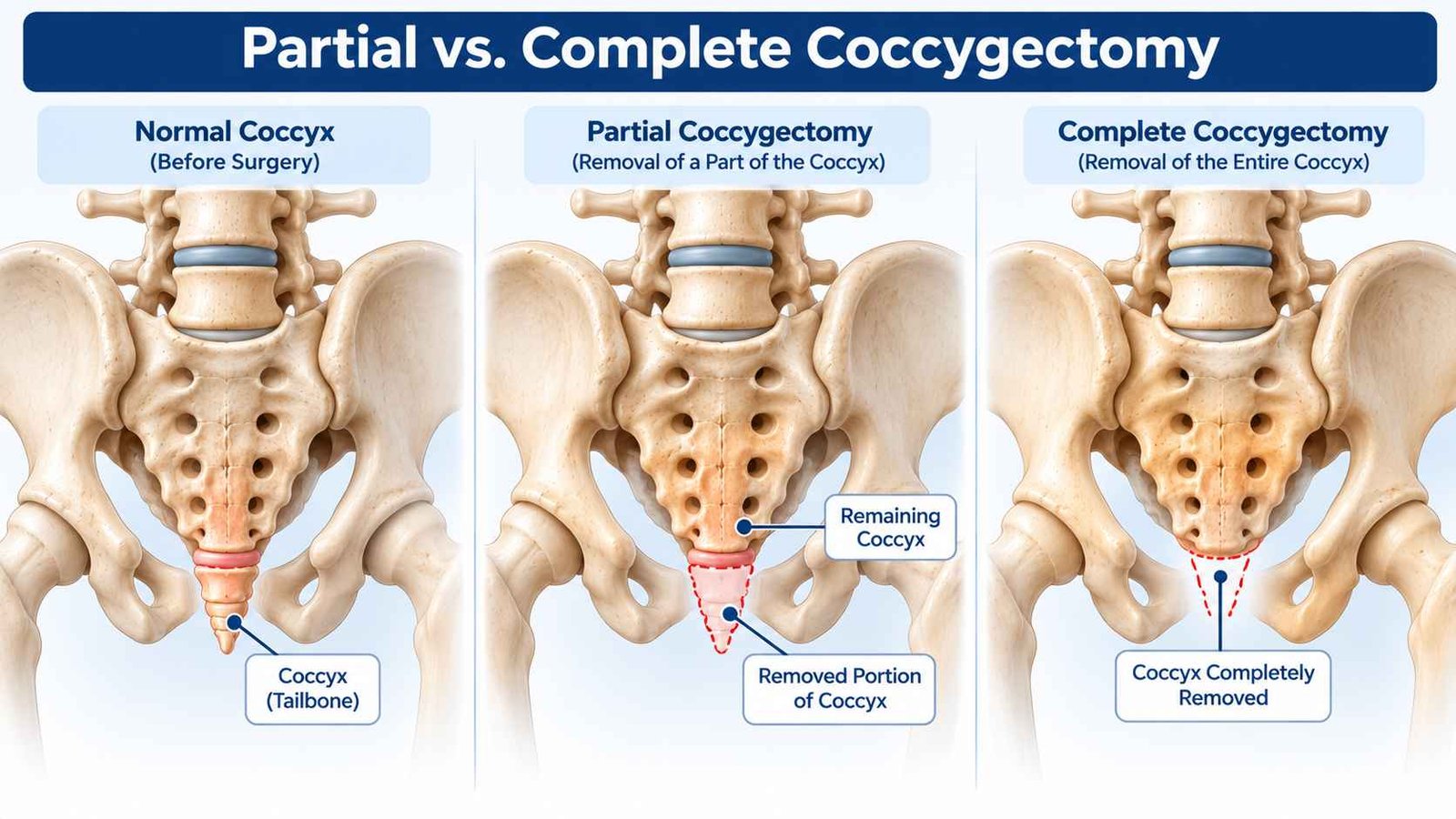
Coccygectomy may involve partial or complete removal of the coccyx.
Partial Coccygectomy
A partial coccygectomy involves removing a selected portion of the coccyx.
This approach may be considered when the suspected pain-generating abnormality is limited to a particular segment.
Complete Coccygectomy
A complete coccygectomy involves removing the entire coccyx.
The surgeon may consider this approach when the patient’s clinical findings support removal of the full bone.
Neither procedure is automatically better for every patient.
The choice depends on the underlying condition, anatomical findings, and surgical judgment.
Benefits and Expected Outcomes of Tailbone Surgery
The primary goal of coccygectomy is to reduce persistent pain associated with the coccyx.
When surgery is successful, patients may experience improvements in sitting tolerance, daily functioning, and quality of life.
Potential benefits include:
- Reduced coccyx-related pain.
- Improved comfort while sitting.
- Greater ability to perform routine activities.
- Reduced limitations associated with persistent tailbone pain.
Is Coccygectomy Always Successful?
No. Coccygectomy does not guarantee complete pain relief.
Although research reports improvement in many appropriately selected patients, some continue to experience symptoms after surgery.
Outcomes depend on patient selection, the underlying cause of pain, and other clinical factors.
A systematic review of coccygectomy outcomes discusses reported surgical results and complications.
Patients should discuss their individual prognosis with the operating surgeon.
Coccygectomy Risks and Side Effects
Like other surgical procedures, coccygectomy carries potential risks.
Surgical Site Infection
Infection is an important recognized complication of coccygectomy.
The location of the surgical incision makes appropriate wound care particularly important.
Delayed Wound Healing
Some patients experience delayed healing or wound-related complications.
Following postoperative instructions and attending follow-up appointments can help identify problems early.
Persistent or Recurrent Pain
Surgery may not completely resolve the patient’s symptoms.
Persistent pain can occur when the procedure does not fully address the underlying source of discomfort.
Bleeding and Other Surgical Complications
Bleeding, anesthesia-related complications, and injury to nearby structures are possible surgical risks.
Scar-Related Discomfort
Some patients experience tenderness or sensitivity around the surgical scar during recovery.
Patients should promptly contact their surgical team if they experience fever, increasing redness, wound discharge, worsening pain, or other concerning symptoms.
Tailbone Surgery Recovery Time
Tailbone surgery recovery time varies between individuals.
Recovery depends on the surgical procedure, wound healing, overall health, and activity requirements.
Initial Recovery
During the early postoperative period, patients may experience pain, swelling, and tenderness around the incision.
The surgical team provides instructions regarding wound care, medications, positioning, and activity restrictions.
Returning to Sitting
Sitting may remain uncomfortable during the initial recovery period.
Patients may be advised to avoid prolonged direct pressure on the surgical area.
The appropriate timing for resuming normal sitting activities depends on individual recovery and surgical instructions.
Returning to Work
Returning to work depends on the patient’s recovery and job requirements.
People whose work involves prolonged sitting or physically demanding activities may require additional adjustments.
Long-Term Recovery
Improvement may continue over time.
Some patients recover more quickly than others, while some experience persistent discomfort requiring further assessment.
Patients should follow the individualized recovery timeline provided by their surgeon.
What Happens During Recovery?
Following coccygectomy, patients receive postoperative instructions designed to support healing and reduce complications.
Wound Care
Patients should follow the surgical team’s instructions for cleaning the wound and changing dressings.
Pain Management
Prescribed medications may help manage postoperative discomfort.
Patients should take medications as directed and report unexpected symptoms.
Activity Modification
Activities that place excessive pressure on the surgical area may need to be limited temporarily.
The treating team will advise when normal activities can be resumed.
Follow-Up Appointments
Follow-up visits allow the surgeon to monitor wound healing, assess symptoms, and identify potential complications.
Questions to Ask Before Considering Surgery
Before deciding on coccygectomy, patients should understand why surgery is being recommended and what outcomes are realistic.
Important questions include:
- What evidence suggests that my coccyx is causing the pain?
- Have appropriate non-surgical treatments been explored?
- What improvement can I realistically expect?
- What are the possible complications?
- Would partial or complete coccygectomy be considered?
- How long might recovery take?
- When can I return to work and normal activities?
- What happens if pain continues after surgery?
Are There Alternatives to Tailbone Surgery?
Yes. Depending on the diagnosis, non-surgical treatments may include activity modification, pressure-relieving cushions, appropriate physical therapy, medications, and selected injections.
The suitability of each treatment depends on the patient’s medical history, symptoms, and clinical findings.
For more information, read our article on tailbone pain treatment without surgery in Bangalore.
Frequently Asked Questions
Is Tailbone Surgery a Major Surgery?
Coccygectomy is a specialized surgical procedure involving the removal of part or all of the coccyx. Although the bone is relatively small, the operation carries meaningful risks, including wound complications and persistent pain.
When Is Coccygectomy Necessary?
Coccygectomy may be considered when persistent coccyx-related pain significantly affects daily activities, appropriate non-surgical treatments have not provided adequate relief, and specialist evaluation supports surgery.
Can You Live Normally Without a Tailbone?
Many patients can function without the coccyx following successful surgery. However, recovery and long-term outcomes vary, and some patients continue to experience discomfort.
How Long Does Tailbone Surgery Recovery Take?
Recovery time varies depending on wound healing, the surgical procedure, overall health, and activity requirements. Patients should follow their surgeon’s individualized recovery instructions.
Is Tailbone Removal Surgery Painful?
Postoperative discomfort is expected after coccygectomy. The surgical team provides appropriate pain-management guidance, although the intensity and duration of discomfort vary.
What Are the Possible Side Effects of Coccygectomy?
Potential complications include infection, delayed wound healing, persistent pain, bleeding, and scar-related discomfort.
Is Surgery the Only Treatment for Chronic Tailbone Pain?
No. Many patients improve with appropriate non-surgical treatment. Surgery is generally reserved for selected patients whose symptoms persist despite conservative management.
Conclusion
Tailbone surgery, also known as coccygectomy, may be considered for selected patients experiencing persistent coccyx pain that has not responded adequately to appropriate non-surgical treatment.
However, surgery is not suitable for everyone.
Accurate diagnosis, careful patient selection, an understanding of potential complications, and realistic recovery expectations are essential before proceeding.
For many people, conservative management remains the preferred initial approach.
If you are experiencing persistent tailbone discomfort, explore our coccydynia and tailbone pain treatment services or contact our clinic to discuss appropriate evaluation and management options.
Medical disclaimer: This article provides general educational information and should not replace individualized medical advice. Decisions about surgery must be made with an appropriately qualified specialist.