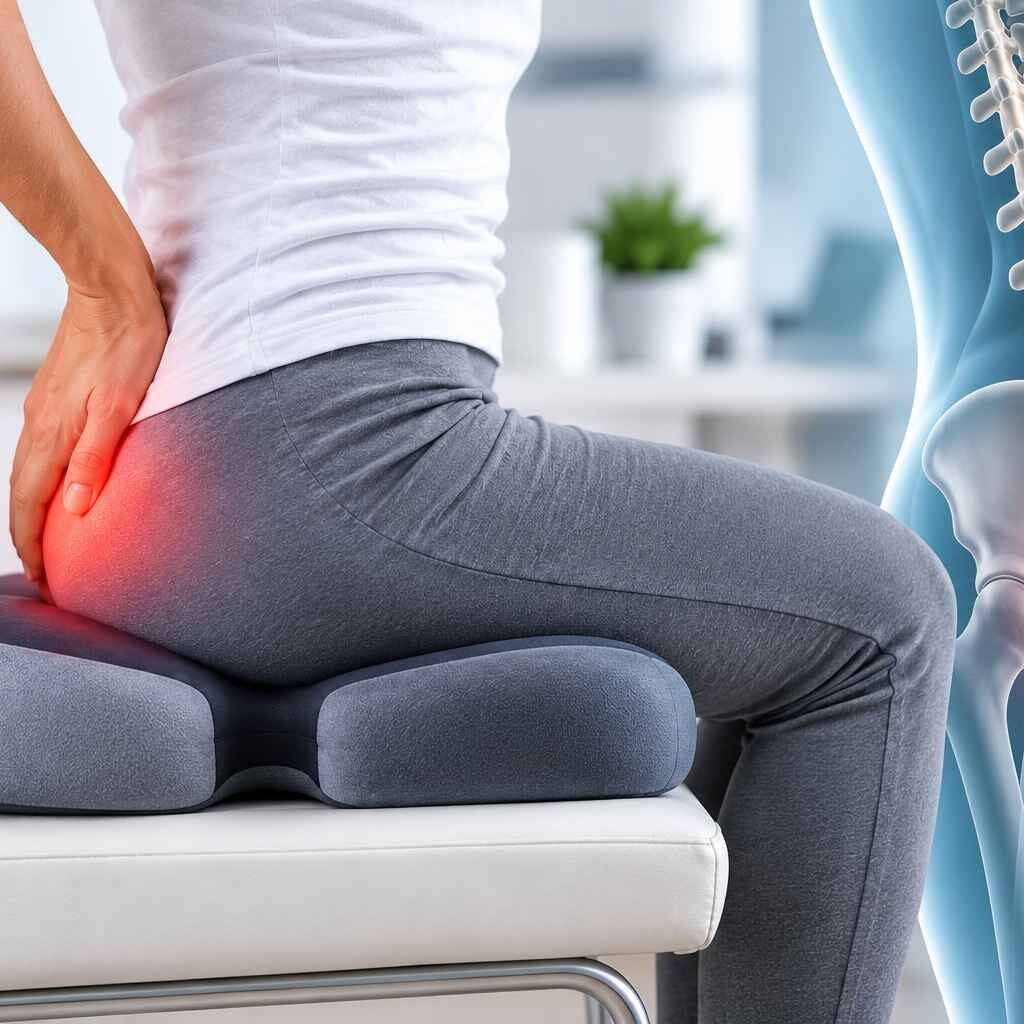
tailbone pain after delivery

Tailbone Pain After Delivery: Causes, Symptoms, and Effective Non-Surgical Treatment
Tailbone pain after delivery is a condition that affects many women during the postpartum period but often goes undiagnosed or untreated. Medically referred to as coccydynia, this pain occurs in the coccyx area, located at the very base of the spine. While mild discomfort may resolve on its own, persistent tailbone pain after delivery can interfere with daily activities such as sitting, feeding the baby, sleeping, or returning to routine work. Understanding the reasons behind this pain and choosing the right treatment approach is essential for long-term recovery.

What Is Tailbone Pain After Delivery?

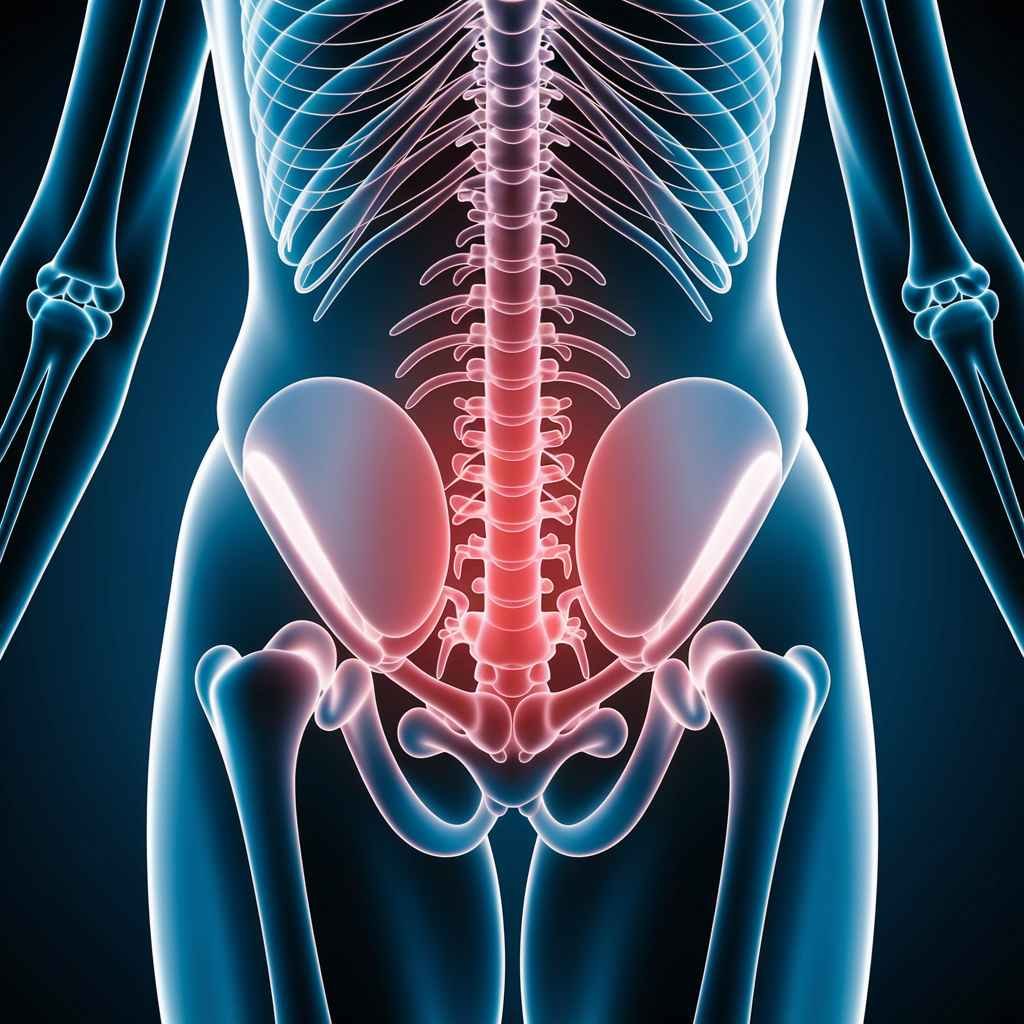
Tailbone pain after delivery develops when the coccyx undergoes excessive stress during childbirth. Vaginal delivery, prolonged labor, or difficult birthing positions can place pressure on the tailbone, causing inflammation, misalignment, or soft tissue injury. In many cases, women notice the pain only weeks later, when regular sitting or movement becomes uncomfortable. If ignored, postnatal coccydynia can turn into a chronic condition.

Common Causes of Tailbone Pain After Childbirth

Several physical and hormonal factors contribute to tailbone pain after childbirth:

  • Excessive pressure on the coccyx during labor
  • Hormonal changes leading to ligament laxity
  • Pelvic floor muscle weakness or imbalance
  • Poor sitting posture during breastfeeding or recovery
  • Repeated strain from daily activities

These factors often combine, which is why simple rest alone may not resolve the pain. Women who experience assisted delivery or long labor are more prone to developing postnatal coccydynia.

Symptoms That Should Not Be Ignored

Symptoms of tailbone pain after delivery vary in intensity but commonly include:

  • Sharp or dull pain while sitting
  • Increased discomfort when standing up from a seated position
  • Pain during bowel movements
  • Localized tenderness near the tailbone
  • Pain that worsens with prolonged sitting

If these symptoms persist beyond a few weeks, seeking proper tailbone pain after delivery treatment is strongly recommended.

tailbone pain after delivery

Why Tailbone Pain Lasts for Months After Delivery

Many women wonder why tailbone pain lasts for months after delivery, even when the childbirth process is over. The primary reason is that the pelvic structures take time to heal, especially if the tailbone has shifted or surrounding muscles remain tight. Without targeted therapy, inflammation can continue, and compensatory movement patterns may develop, prolonging recovery. Early intervention plays a key role in preventing long-term pain.

Effective Non-Surgical Treatment Options

The most effective approach for managing this condition is non surgical tailbone pain treatment. Surgery is rarely required and is considered only when conservative methods fail. Non-surgical treatment focuses on correcting the underlying cause rather than just relieving symptoms.

Common treatment approaches include:

  • Specialized physiotherapy
  • Pelvic floor rehabilitation
  • Manual therapy for coccyx alignment
  • Postural correction techniques
  • Guided therapeutic exercises

These methods reduce inflammation, restore proper movement, and promote natural healing of the tailbone region.

Role of Physiotherapy in Postnatal Coccydynia Treatment

Physiotherapy is a cornerstone of postnatal coccydynia treatment. A trained specialist evaluates pelvic alignment, muscle strength, and posture. Customized therapy plans address muscle imbalances and joint dysfunctions that contribute to tailbone pain after delivery. With consistent therapy, most women experience significant pain reduction and improved mobility.

Importance of Timely Tailbone Pain After Delivery Treatment

Delaying treatment often leads to chronic pain and prolonged discomfort. Early tailbone pain after delivery treatment helps restore normal pelvic function and prevents compensatory strain on the lower back and hips. Women who seek treatment early typically recover faster and avoid recurrence.

Home Care Tips to Support Recovery

Alongside clinical care, certain home measures can aid recovery:

  • Avoid sitting for long periods
  • Use a coccyx or donut cushion
  • Maintain proper sitting posture
  • Perform prescribed exercises regularly
  • Avoid self-medication without professional guidance

These steps complement professional care and enhance the effectiveness of non surgical tailbone pain treatment.

Conclusion

Tailbone pain after delivery is a treatable condition and should not be considered a normal part of postpartum life. With the right diagnosis and structured non-surgical approach, women can recover fully and regain comfort in daily activities. Addressing the condition early ensures better postpartum health, improved mobility, and long-term relief from pain.

Dr.Syeda Mubashira Decoding Steroid Injections for Tailbone Pain: Balancing Hope and Reality

Hi everyone let me give some insight about Corticosteroid injection which is given for reducing tailbone pain. Injections used for coccydynia include corticosteroid injections into the caudal epidural space or into the sacrococcygeal junction. Alternatively, local anesthetic injections can block the ganglion impar (ganglion of Walther).

In the quest to ease the discomfort of tailbone pain, steroid injections often emerge as a beacon of hope. However, amidst the optimism, it’s crucial to acknowledge the realities uncovered by research regarding their effectiveness.

Let’s  discuss about the Promises and Pitfalls 

Steroid injections, lauded for their potential to reduce inflammation and alleviate pain, have been a go-to option for many grappling with tailbone discomfort. Yet, recent research sheds light on a less glamorous reality: they may not be as effective as once thought.

Research Studies have revealed a spectrum of outcomes when it comes to the efficacy of steroid injections for tailbone pain. While some individuals experience significant relief, others find themselves disappointed by minimal or fleeting benefits.Lets have a Closer Look at the Data

One study published in a leading medical journal found that steroid injections provided only modest and short-term pain relief for tailbone pain, with a significant number of participants reporting no improvement at all. These findings challenge the widespread belief in the transformative power of these injections.

Navigating Clinical Dilemmas  

The disconnect between expectations and outcomes underscores the importance of informed decision-making in tailbone pain management. Healthcare providers must carefully weigh the evidence, considering factors such as patient preferences, treatment goals, and alternative options. So The Role of Patient-Centered Care plays a vital role.

In light of these research findings, a patient-centered approach becomes paramount. Open dialogue between patients and providers allows for realistic expectations to be set and empowers individuals to actively participate in their treatment decisions.

Redefining Success:

Rather than viewing steroid injections as a panacea, it’s essential to redefine success in tailbone pain management. While these injections may offer relief for some, others may find greater benefit from alternative treatments or a combination of therapies tailored to their unique needs.

Conclusion:

Steroid injections have long been heralded as a promising solution for tailbone pain, but recent research challenges this notion, highlighting the variability in their effectiveness. As we navigate the complexities of tailbone pain management, a balanced approach that integrates evidence-based practices with patient-centered care is essential. By embracing realistic expectations and exploring diverse treatment options, we can better support individuals in their journey toward relief and improved quality of life.

Hope this blog gives some clarity to people.

 As my Patient who have gone for injections (not one its 2/3 shots) has not found any great response in terms of pain reliefs. But ONE MAJOR COMPLAINT PATIENT ACKNOWLEDGE IS BURNING OR TENDERNESS ON COCCYX REMAINS FOR LONG TIME.

FACTS: Simple if X-ray is showing angulation on coccyx, then injections can only reduce pain, but angulation correction won’t happen.

Tailbone Pain Treatment

Depression due to Coccydynia in ladies by Dr.Syeda Mubashira(PT) .

As discussed in our previous blog about Coccydynia let me just give a brief idea about it.
Coccydynia or Tailbone pain can be defined in simple term as Pain in and around the coccyx (lowest portion of spine) usually bought by injury or trauma to coccyx or tailbone.Pain intensifies during and after sitting ,from sitting to standing.
As it is very similar to low back pain and shows more or less same symptoms as low back pain ,so its Important to differentiate it by proper assessment and diagnostic procedures.

As there is no direct evidence yet to conclude that coccyx pain can lead to depression, but there is a co-relation between chronic pain and depression.
Coccydynia is a most neglected condition and poor diagnosed across the globe.
Till the patient gets diagnosed by Coccydynia already the pain becomes chronic and especially in lady tailbone pain cases they feel shy to share this with the family.

Now lets understand what is depression and its relation to pain??????

Depression magnifies pain, as chronic pain lasts for longer from usual expected duration which may result in different emotional problems like anxiety,agitation,sleep disturbances, physical reconditioning, family stress, work problems, weight gain or loss.
Depression in women is very common, infact women are twice as likely to develop depression as men. Some experts believe that the increased chance of depression in women may be related to changes in hormone levels that occur throughout life.
The hormones which play an important role during depression is estrogen, progesterone & cortisol. Any abnormal levels of these hormones cause stress, agitation, mood instability, insomnia and depression.
Simple example: During the menstrual cycle generally the lady feels low, irritated and easily loose the cool. It’s because of estrogen levels which goes low. So, women are more prone for depression due to pain.

One of my lady patients expressed that because of Coccydynia she was so depressed and had suicidal feeling. As she meets 5-6 Doctors who said her to live with this pain which made her depressed and miserable mentally & physically. Also, the family couldn’t help and support her in her pain. As it’s a private area she couldn’t share this with her friends because Nobody is aware about this condition called Coccydynia. This painful sitting started effecting her work as she was not able to deliver her duties. All these factors made her so hopeless until she got to know that there is a help and its curable… (THESE ARE PATIENTS WORDING).
Actually, Coccydynia is not a cancerous condition its curable but with proper interventions. You need to meet the specialist on time for fastest recovery. If anyone is suffering from Coccydynia/Tailbone Pain, then consult us for treatment. As early diagnosis and treatment will resolve the future problems.

This is just a short informative post; hope it will answer so many questions. If anyone has any queries you can mail me your issues on my mail id -zuha_pt@yahoo.com.

GET IN TOUCH

Schedule a Visit