Tailbone pain when sitting for long hours caused by poor posture and prolonged desk work

Tailbone Pain When Sitting for Long Hours: Causes, Treatment & Sitting Solutions
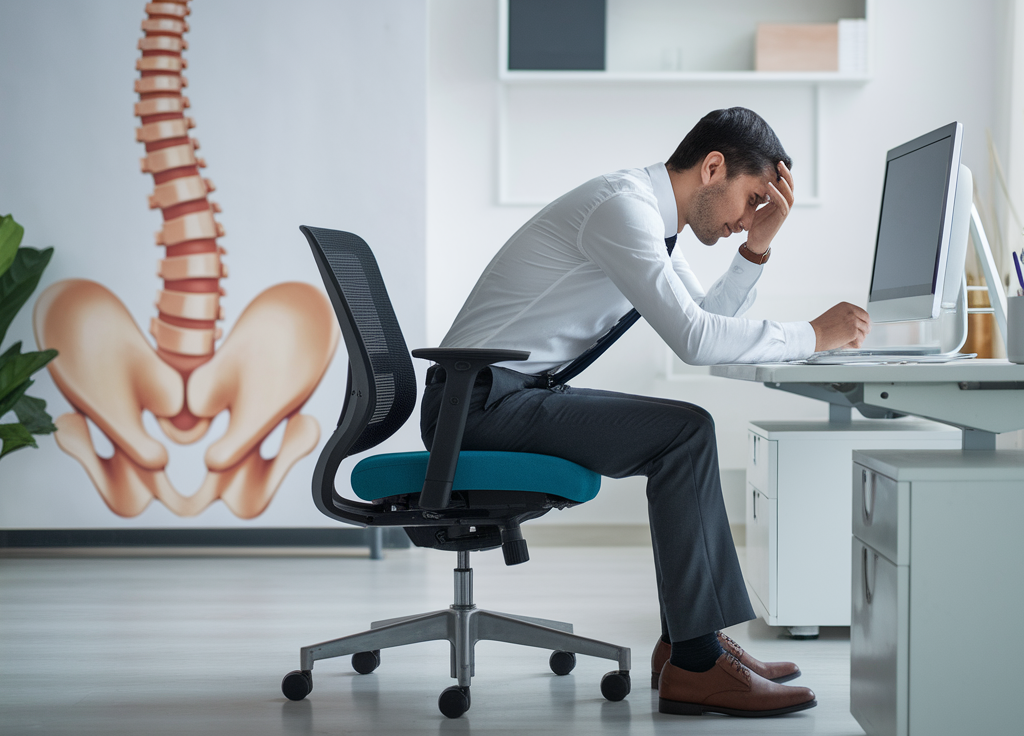
Tailbone pain when sitting for long hours treatment is a growing concern among office professionals, IT employees, drivers, students, and anyone whose daily routine involves prolonged sitting. What often begins as mild discomfort after long hours at a desk or behind the wheel can gradually turn into persistent coccyx pain, making sitting, driving, working, and even resting extremely uncomfortable.

Many individuals ignore the early warning signs or depend on painkillers and cushions, assuming the discomfort will resolve on its own. However, prolonged pressure on the coccyx without correcting posture, muscle imbalance, or alignment issues can lead to chronic tailbone pain. Seeking early, structured care through coccydynia and tailbone pain treatment programs helps address the root cause before the condition worsens.

This detailed guide explains why tailbone pain increases with long sitting hours, the underlying causes, and the most effective non-surgical treatment and sitting solutions available.

Why Sitting for Long Hours Triggers Tailbone Pain

The coccyx, or tailbone, is designed to assist with balance and weight distribution when sitting. Ideally, body weight should be supported by the sitting bones and thighs. However, prolonged sitting, especially with poor posture, shifts excessive pressure directly onto the coccyx.

Key reasons sitting worsens tailbone pain include:

  • Leaning backward or slouching while seated
  • Sitting on hard or poorly cushioned chairs
  • Lack of lumbar and pelvic support
  • Minimal movement during long sitting periods
  • Continuous vibration during long drives

Over time, this constant pressure causes inflammation, restricted coccyx mobility, and irritation of surrounding ligaments and muscles.

tailbone pain when sitting for long hours treatment

Early Symptoms You Should Not Ignore

Tailbone pain caused by prolonged sitting often presents subtly at first and progressively worsens.

Common symptoms include:

  • Pain after sitting for 20–30 minutes
  • Sharp discomfort while standing up from a chair
  • Pain during long drives or office work
  • Tenderness at the base of the spine
  • Relief when standing or lying down

Ignoring these signs allows inflammation and misalignment to persist, increasing the risk of chronic coccydynia.

Hidden Causes Behind Sitting-Related Tailbone Pain

1. Poor Sitting Posture

Slouched posture places backward pressure on the coccyx instead of distributing weight evenly through the pelvis.

2. Office Ergonomics Issues

Incorrect chair height, unsupported lower back, and poorly positioned screens force the spine into harmful positions.

3. Long-Hour Driving

Drivers experience constant vibration and static posture, both of which increase coccyx stress.

4. Weak Core and Pelvic Muscles

Weak stabilizing muscles reduce spinal support, increasing tailbone load during sitting.

5. Undiagnosed Coccyx Misalignment

Abnormal coccyx movement may only be visible during sitting, requiring specialized evaluation.

Why Cushions and Painkillers Alone Are Not Enough

While coccyx cushions and pain medications may offer temporary comfort, they do not correct the underlying cause of tailbone pain. Once the individual resumes long sitting hours, the pain often returns.

According to MedlinePlus, conservative management focusing on posture correction and rehabilitation is the recommended first approach for tailbone pain.

True recovery requires correcting posture, improving muscle support, and restoring natural coccyx movement.

The Importance of Proper Diagnosis

Effective tailbone pain when sitting for long hours treatment starts with identifying the exact cause of pain. Treating symptoms without diagnosis often leads to recurrence.

Specialized assessment may include:

  • Sitting and standing posture analysis
  • Functional movement evaluation
  • Dynamic coccyx mobility assessment
  • Advanced imaging when necessary

Detailed diagnostic evaluations are available through advanced tailbone pain diagnostic services that help identify coccyx instability, inflammation, or alignment issues accurately.

Advanced tailbone pain diagnostic services including dynamic x-ray evaluation and clinical assessment in Bangalore

Tailbone Pain Treatment Without Surgery in Bangalore: Complete Guide to Non-Invasive Relief
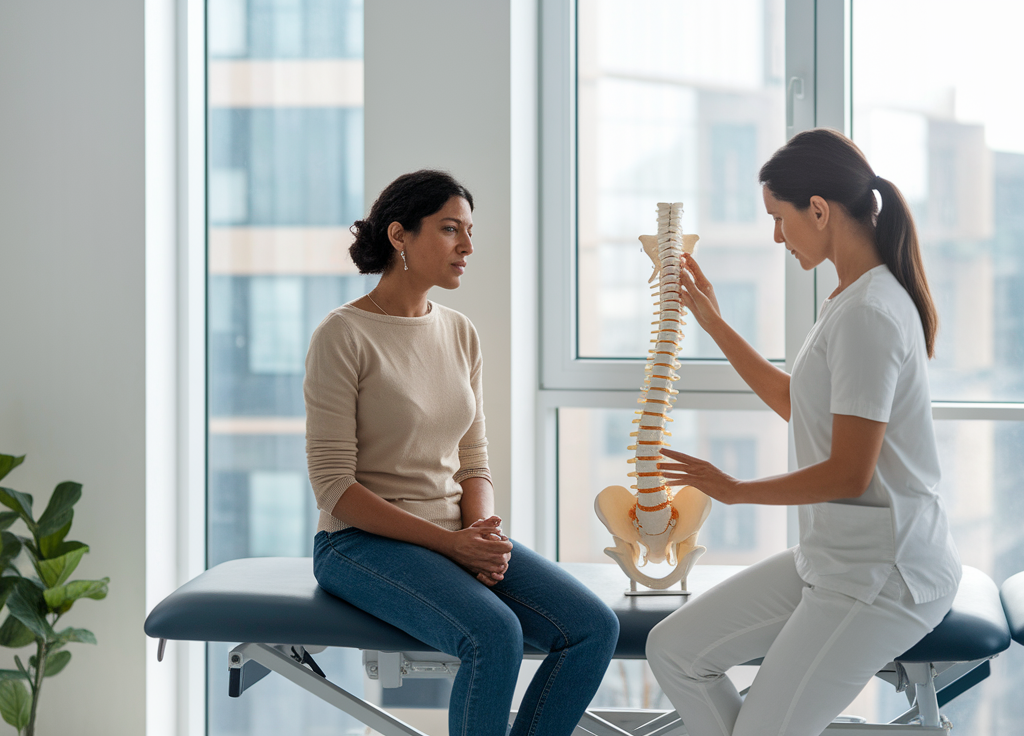
Tailbone Pain Treatment Without Surgery in Bangalore has become the most trusted and medically recommended approach for people suffering from coccyx pain. Tailbone pain, clinically known as coccydynia, may appear minor at first, but it can gradually interfere with daily activities such as sitting, driving, working, exercising, and even sleeping. Many individuals silently endure this pain, believing surgery is the only solution. However, modern non-invasive treatments have proven that surgery is rarely necessary when the condition is diagnosed and managed correctly.

This comprehensive guide explains the causes of tailbone pain, why non-surgical treatment is effective, and how specialized physiotherapy-based care in Bangalore can help patients achieve long-term relief without invasive procedures.

Learn more about comprehensive coccydynia and tailbone pain treatment programs designed to relieve pain, correct coccyx alignment, and restore comfortable sitting.

Understanding Tailbone Pain (Coccydynia)

The tailbone, or coccyx, is a small triangular bone located at the base of the spine. It supports the body while sitting and serves as an attachment point for muscles, ligaments, and pelvic floor structures. When the coccyx becomes inflamed, misaligned, or injured, pain develops in the lower spine region.

Common symptoms include:

  • Pain while sitting or standing up from a seated position
  • Increased discomfort during long drives or office work
  • Tenderness around the tailbone area
  • Pain that worsens with forward leaning
  • Difficulty sitting on hard surfaces

If ignored, acute tailbone pain can become chronic, lasting months or even years. Early intervention with non-surgical care is crucial to prevent long-term disability.

Why Surgery Is Rarely Required for Tailbone Pain

Many patients assume surgery is the only option when pain persists. In reality, surgery is considered only in extreme cases where all conservative treatments fail.

Non-surgical treatment is preferred because:

  • Most tailbone pain is caused by misalignment, muscle imbalance, or posture-related stress
  • The coccyx responds well to manual correction and rehabilitation
  • Surgery involves higher risk, longer recovery time, and inconsistent outcomes
  • Non-invasive care focuses on correcting the root cause, not just pain suppression

According to the National Institutes of Health (NIH), conservative management successfully resolves tailbone pain in most cases without surgical intervention.

Common Causes of Tailbone Pain

Understanding the cause helps determine the most effective treatment plan.

1. Poor Sitting Posture

Prolonged sitting, especially on hard surfaces or slouched posture, places direct pressure on the coccyx.

2. Prolonged Sitting Due to Work or Driving

Office professionals, drivers, and individuals working long hours are especially vulnerable.

3. Postnatal and Postpartum Changes

Pregnancy and childbirth place significant stress on the pelvic region, often affecting coccyx alignment.

4. Falls or Direct Trauma

A backward fall can displace or bruise the tailbone, causing long-lasting pain.

5. Sports-Related Injuries

Cycling, rowing, skating, and contact sports can strain the coccyx due to repeated impact.

6. Non-Traumatic or Idiopathic Causes

In some cases, tailbone pain develops without an identifiable injury and requires advanced diagnostic evaluation.

Tailbone Pain Treatment Without Surgery in Bangalore

Importance of Accurate Diagnosis

Successful tailbone pain treatment without surgery in Bangalore begins with precise diagnosis. Treating symptoms without identifying the cause often leads to recurrence.

Advanced diagnostic methods include:

  • Dynamic X-rays (sitting and standing views)
  • Postural and movement assessments
  • MRI or CT scans when necessary

Detailed diagnostic evaluations are available through advanced tailbone pain diagnostic services, including dynamic X-rays and posture assessment, to accurately identify the root cause of coccyx pain. Dynamic imaging helps identify abnormal coccyx movement that may not appear on standard X-rays, allowing for targeted treatment.

Non-Surgical Tailbone Pain Treatment Options

1. Manual Coccyx Alignment Therapy

Gentle, specialized manual techniques are used to realign a displaced coccyx. This restores normal movement and reduces inflammation without surgery.

2. Physiotherapy and Rehabilitation

Customized physiotherapy programs help:

  • Strengthen pelvic floor and core muscles
  • Improve posture and movement patterns
  • Reduce muscle tension and inflammation
  • Restore pain-free sitting and mobility

3. Pelvic Floor and Core Stabilization

Weak pelvic and abdominal muscles increase stress on the tailbone. Targeted strengthening provides better support and stability.

4. Posture and Ergonomic Training

Patients receive guidance on:

  • Proper sitting techniques
  • Use of coccyx cushions
  • Workstation ergonomics
  • Driving posture corrections

These changes play a critical role in preventing recurrence.

5. Home Care and Lifestyle Modification

Home-based exercise programs and activity modification help maintain progress between clinic sessions. Long-term success depends on consistent adherence.

Benefits of Choosing Non-Surgical Treatment

  • No hospitalization required
  • Minimal downtime
  • Safe and evidence-based
  • Personalized treatment plans
  • Focus on long-term correction
  • High patient success rate

Postpartum tailbone pain relief explained by a physiotherapist using pelvic anatomy after childbirth

How to Relieve Postpartum Tailbone Pain: Evidence-Based Treatments & Exercises

Postpartum tailbone pain relief is a major concern for many new mothers, yet it is often under-discussed and misunderstood. After childbirth, especially following prolonged labor, assisted delivery, or a C-section, pain around the tailbone can make simple daily activities such as sitting, feeding the baby, driving, or even resting extremely uncomfortable. While some discomfort may feel “normal” after delivery, persistent coccyx pain is not something that should be ignored.

Postpartum tailbone pain, medically known as postpartum coccydynia, usually develops due to stress, pressure, or misalignment of the coccyx during pregnancy and delivery. The good news is that with the right understanding, targeted exercises, and evidence-based non-surgical treatment, most women can recover fully and regain comfort in daily life. Specialized care through postnatal coccydynia treatment programs focuses on identifying the root cause rather than simply masking pain.

This comprehensive guide explains why postpartum tailbone pain occurs, what exercises and remedies help, how pelvic floor therapy supports recovery, and when medical evaluation becomes necessary.

What Causes Postpartum Tailbone Pain After Delivery?

Postpartum tailbone pain usually results from a combination of mechanical stress, hormonal changes, and muscular imbalance that occur during pregnancy and childbirth.

1. Pressure During Vaginal Delivery

During labor, the baby’s head passes close to the coccyx. Prolonged pushing or assisted delivery can push the tailbone backward, leading to inflammation or misalignment.

2. C-Section and Prolonged Sitting

Even after a cesarean section, prolonged sitting during recovery and altered posture can strain the coccyx, causing pain.

3. Hormonal Changes

Pregnancy hormones such as relaxin loosen ligaments around the pelvis. While necessary for delivery, this increased laxity can reduce pelvic stability and place extra stress on the tailbone.

4. Pelvic Floor Weakness

Weakened pelvic floor muscles after delivery reduce support to the coccyx, increasing pain while sitting or changing positions.

5. Poor Posture While Feeding

New mothers often sit for long periods while breastfeeding or bottle-feeding, frequently in unsupported or slouched positions.

When these factors combine, tailbone pain can persist beyond the immediate postpartum period if not properly addressed.

Postpartum Tailbone Pain Exercises You Can Do at Home

Gentle, guided exercises play a crucial role in postpartum tailbone pain relief. These exercises focus on restoring pelvic stability, improving posture, and reducing pressure on the coccyx.

1. Pelvic Tilts

Pelvic tilts help mobilize the lower spine and improve pelvic control without stressing the tailbone.

2. Deep Breathing with Pelvic Engagement

Controlled breathing activates the pelvic floor and core muscles, improving support around the coccyx.

3. Gentle Hip Stretches

Tight hip muscles can pull on pelvic structures. Gentle stretching reduces strain on the tailbone.

4. Core Activation Exercises

Safe postpartum core exercises help stabilize the spine and pelvis, reducing pain during sitting.

5. Postural Awareness Drills

Learning to maintain neutral spine posture while sitting and standing significantly reduces coccyx stress.

These exercises should be performed gradually and correctly. In some cases, professional guidance is required to avoid aggravating symptoms.

Best Cushions and Remedies for Coccyx Pain Relief

While cushions and home remedies do not replace treatment, they can significantly support postpartum recovery when used correctly.

Coccyx Cut-Out Cushions

These cushions reduce direct pressure on the tailbone while sitting, especially during feeding or long sitting periods.

Heat Therapy

Applying gentle heat improves blood flow and reduces muscle tension around the coccyx.

Cold Therapy (Short-Term)

Cold packs may help reduce inflammation during the early postpartum phase.

Frequent Position Changes

Avoid sitting continuously for long periods. Standing or walking briefly every 30–45 minutes helps prevent stiffness.

These supportive measures are most effective when combined with targeted rehabilitation rather than used alone.

Pelvic Floor Therapy for Postpartum Coccydynia

Pelvic floor therapy is one of the most effective evidence-based approaches for postpartum tailbone pain relief. The pelvic floor muscles play a key role in stabilizing the pelvis and supporting the coccyx.

Pelvic floor therapy focuses on:

  • Restoring muscle strength and coordination
  • Improving pelvic alignment
  • Reducing muscle tension and guarding
  • Enhancing posture and movement patterns

In many cases, postpartum tailbone pain is linked with broader pelvic instability. Structured rehabilitation through pelvic girdle dysfunction treatment helps address these underlying issues and prevent recurrence.

postpartum tailbone pain relief

When to Seek Medical Help for Tailbone Pain

While mild discomfort can improve with rest and home care, medical evaluation is necessary if pain persists or worsens.

Seek professional help if:

  • Pain lasts longer than 3–4 weeks after delivery
  • Sitting becomes increasingly painful
  • Pain radiates to the lower back or hips
  • Daily activities or baby care are affected
  • Home remedies do not provide relief

Comprehensive evaluation through advanced tailbone pain diagnostic services helps identify coccyx misalignment, instability, or associated pelvic conditions that require targeted care.

How Long Does Postpartum Tailbone Pain Last?

Recovery time varies depending on the severity of the condition and how early treatment begins.

  • Mild cases may resolve within a few weeks
  • Moderate cases may take several weeks with guided therapy
  • Chronic or untreated cases may persist for months

Research from the National Institutes of Health (NIH) indicates that early conservative intervention significantly shortens recovery time for postpartum musculoskeletal pain.
https://www.nih.gov

Timely care reduces the risk of pain becoming chronic and improves overall postpartum recovery.

The Importance of Non-Surgical Treatment

Surgery is rarely required for postpartum tailbone pain. Most women recover fully through non-invasive approaches that focus on alignment, muscle balance, and posture correction.

In India, rehabilitation-based care is supported by the Indian Council of Medical Research (ICMR) for managing postpartum musculoskeletal conditions.

Non-surgical treatment offers:

  • Safe postpartum recovery
  • No hospital admission
  • Personalized care
  • Long-term relief

Frequently Asked Questions

How Long Does Postpartum Tailbone Pain Last After Delivery?

Most women experience improvement within weeks. Persistent pain beyond a month requires professional evaluation.

Does an Epidural Cause Postpartum Tailbone Pain?

Epidurals do not directly cause coccyx pain, but prolonged labor and positioning during delivery may contribute.

What’s the Best Cushion for Postpartum Tailbone Pain Relief?

A coccyx cut-out cushion that reduces direct pressure on the tailbone is most effective.

What Exercises Help Relieve Postpartum Tailbone Pain?

Pelvic tilts, gentle core activation, breathing exercises, and posture correction exercises help relieve pain safely.

When Should I See a Doctor for Postpartum Tailbone Pain?

If pain persists beyond a few weeks, interferes with daily life, or worsens over time, medical consultation is recommended.

Screenshot Capture - 2024-10-05 - 00-32-11

The Connection Between Poor Posture and Tailbone Pain: What You Need to Know
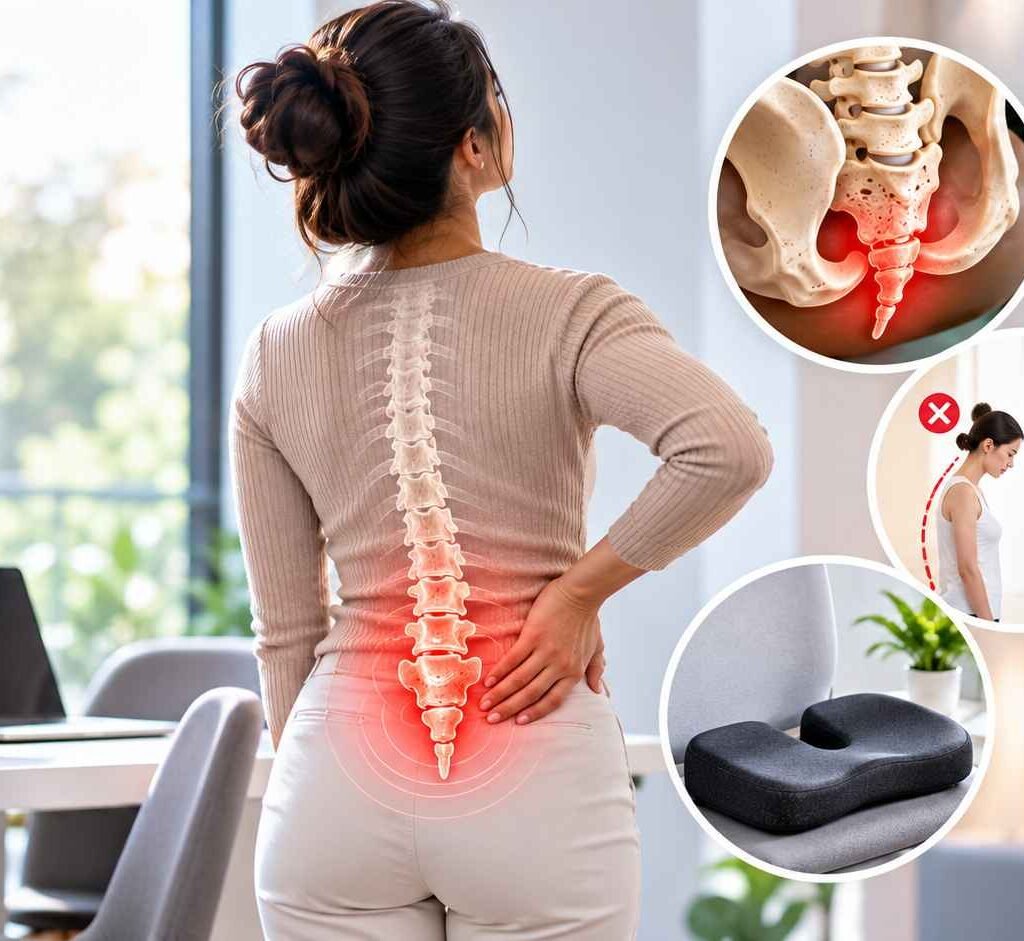
Introduction

In our modern world, many of us spend long hours sitting—whether at work, in front of a computer, or lounging on the couch. While it may seem harmless, sitting for extended periods with poor posture can lead to a variety of health problems, one of the most overlooked being tailbone pain or Coccydynia. In this blog, we’ll delve into the connection between poor posture and tailbone pain, and what you can do to correct it before it becomes a chronic issue.


How Poor Posture Affects Your Tailbone

The coccyx (tailbone) is a small triangular bone located at the bottom of your spine, which helps support your body when you’re sitting. When your posture is incorrect, this tiny bone can become strained, leading to discomfort and pain over time.

Here’s how poor posture contributes to Coccydynia:

  1. Increased Pressure on the Coccyx When you slouch or sit with poor posture, you shift more weight to your lower spine and tailbone, instead of distributing it evenly across your buttocks and thighs. This additional pressure on the coccyx can cause irritation, inflammation, and eventually pain.
  2. Misalignment of the Spine Slouching or leaning forward can throw your spine out of alignment, placing unnatural strain on the coccyx. Over time, this misalignment can cause chronic pain in the tailbone and surrounding areas like the lower back and hips.
  3. Muscle Imbalance Poor posture can lead to weakened muscles in your core and pelvic region, which are essential for supporting your spine and tailbone. Without proper muscle support, the coccyx is more vulnerable to injury and strain.

Signs That Your Posture May Be Causing Tailbone Pain

If you’re experiencing tailbone pain and spend long hours sitting, your posture could be the culprit. Common signs of posture-related tailbone pain include:

  • Discomfort after sitting for extended periods, especially on hard surfaces
  • Pain or tenderness at the base of the spine
  • Aching in the lower back or hips that accompanies tailbone pain
  • Difficulty transitioning from sitting to standing
  • Numbness or tingling in the pelvic area

How to Correct Poor Posture and Prevent Tailbone Pain

The good news is that correcting your posture can help prevent and alleviate tailbone pain. Here are some simple steps you can take to improve your posture and reduce stress on your coccyx:

1. Sit with Proper Alignment

When sitting, make sure your feet are flat on the floor, your knees are at a 90-degree angle, and your back is fully supported by the chair. Avoid slouching or leaning forward. Instead, sit upright with your shoulders relaxed and spine in a neutral position.

2. Use a Tailbone Cushion

A tailbone treatment cushion is designed to relieve pressure on your coccyx while sitting. These cushions have a cut-out section at the back, allowing your tailbone to “float” without bearing the weight of your body.

3. Take Frequent Breaks

Sitting for prolonged periods, even with good posture, can still put pressure on your coccyx. Make sure to stand up and stretch every 30 to 60 minutes to give your spine and tailbone a break.

4. Strengthen Your Core

Engaging in exercises that strengthen your core muscles can provide better support for your spine and tailbone. Planks, pelvic tilts, and other low-impact exercises can help prevent pain from poor posture.

5. Practice Mindful Posture

Be aware of your posture throughout the day, whether you’re sitting, standing, or walking. Incorporating mindfulness can help you develop better habits and avoid putting unnecessary stress on your coccyx.


When to Seek Professional Help

If you’ve made adjustments to your posture but still experience persistent tailbone pain, it might be time to consult a specialist. In some cases, posture-related pain can worsen due to other underlying issues such as Pelvic Girdle Dysfunction, muscle imbalances, or tailbone injuries. At our clinic, we offer a comprehensive diagnosis and tailored, non-surgical treatment plans to address the root cause of your pain.


Conclusion

Poor posture can lead to much more than just back pain; it can also cause significant discomfort in your tailbone. By making simple adjustments to how you sit and incorporating posture-friendly habits into your daily life, you can prevent and reduce tailbone pain.

At Tailbone Pain Treatment Clinic, we specialize in treating Coccydynia and other posture-related conditions. If you’re struggling with chronic tailbone pain, reach out to us for expert advice and personalized care.

2151782976

Understanding Coccydynia: Causes, Symptoms, and Treatment Options
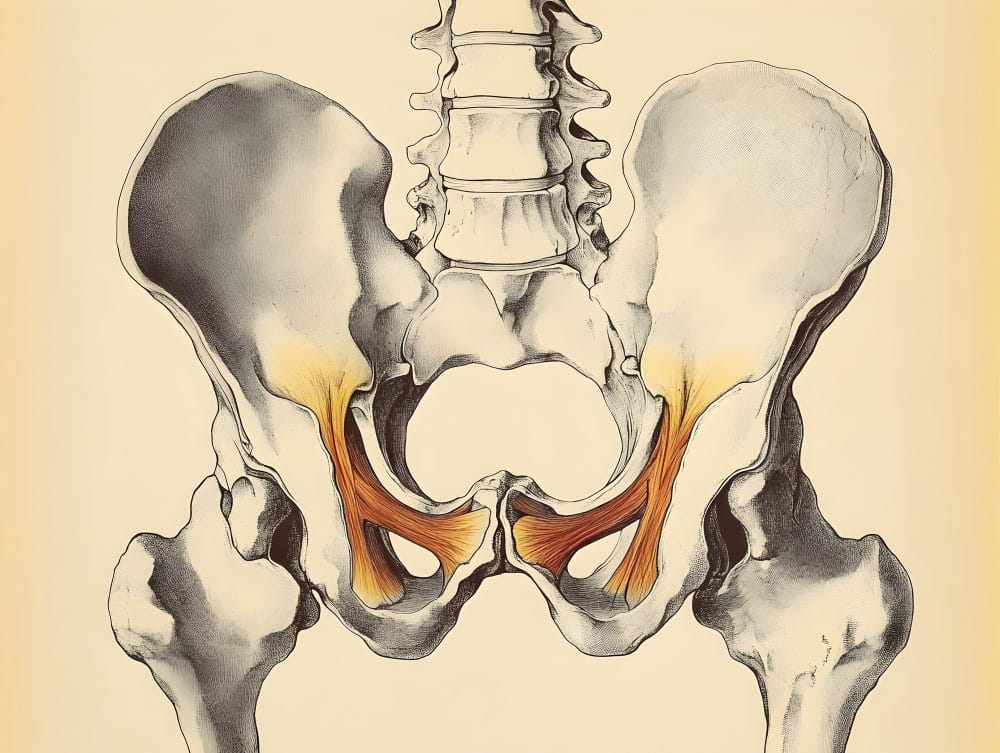
Introduction

Have you ever felt a sharp, nagging pain at the base of your spine, especially while sitting or transitioning from sitting to standing? If so, you might be experiencing Coccydynia, commonly known as tailbone pain. While it may seem like a minor discomfort, tailbone pain can significantly affect your daily life if left untreated. In this blog, we’ll explore the causes, symptoms, and available treatment options for Coccydynia.


What is Coccydynia?

Coccydynia is the medical term for pain that occurs in the coccyx, the small triangular bone at the very bottom of your spine. The coccyx plays a crucial role in supporting your body while sitting, and injury or inflammation to this area can lead to intense discomfort.

Common Causes of Coccydynia

Several factors can lead to tailbone pain, including:

  1. Trauma or Injury
    A fall, car accident, or even repetitive strain from activities like cycling can cause trauma to the tailbone, leading to pain.
  2. Childbirth
    For many women, postnatal Coccydynia is a common issue, as childbirth can put strain on the coccyx during labor and delivery.
  3. Prolonged Sitting
    Sitting for long periods, particularly on hard surfaces, can cause pressure and irritation to the tailbone area, leading to pain.
  4. Infections or Tumors
    In rare cases, infections or tumors in the tailbone area can lead to Coccydynia.
  5. Degenerative Joint Changes
    As you age, wear and tear on the joints surrounding the coccyx can cause pain and discomfort.

Symptoms of Coccydynia

The most common symptom of Coccydynia is a sharp or aching pain at the base of the spine, especially when sitting or transitioning from sitting to standing. Other symptoms include:

  • Tenderness around the tailbone
  • Discomfort during bowel movements
  • Pain that radiates to the lower back, hips, or legs
  • Difficulty sitting for extended periods, particularly on hard surfaces

Treatment Options for Coccydynia

If you’re experiencing persistent tailbone pain, seeking professional treatment is crucial to avoid long-term discomfort. Here are some of the most effective treatment options:

1. Non-Surgical Approaches

At our clinic, we specialize in non-surgical treatments for Coccydynia, ensuring patients can find relief without the need for invasive procedures. This includes:

  • Internal Coccyx Manipulation: A specialized manual therapy that helps realign the tailbone and reduce pain.
  • Rehabilitation Therapy: Personalized exercises designed to strengthen muscles around the coccyx and improve posture.
  • Tailbone Cushions: Specialized cushions to reduce pressure on the coccyx while sitting.

2. Pain Management and Physical Therapy

Our pain management programs include physical therapy and gentle exercises aimed at reducing inflammation, improving range of motion, and providing long-term relief.

3. Postnatal Care for Women

For women experiencing postpartum Coccydynia, we offer tailored treatment plans that focus on gentle therapies to reduce pain and promote recovery after childbirth.

4. Advanced Diagnostics

We use state-of-the-art tools such as Dynamic Tailbone X-rays, CT Scans, and MRIs to precisely diagnose the root cause of your pain, ensuring that your treatment plan is highly targeted.


Conclusion

Coccydynia can have a significant impact on your quality of life, but with the right treatment, relief is within reach. At our clinic, we are dedicated to providing compassionate, specialized care to help you overcome tailbone pain and get back to living comfortably.

If you’re struggling with tailbone pain or suspect you may have Coccydynia, don’t wait. Book an appointment today and let us help you find the relief you deserve!